
Data Caps in Bundled Internet Plans: How They Work and When They Matter
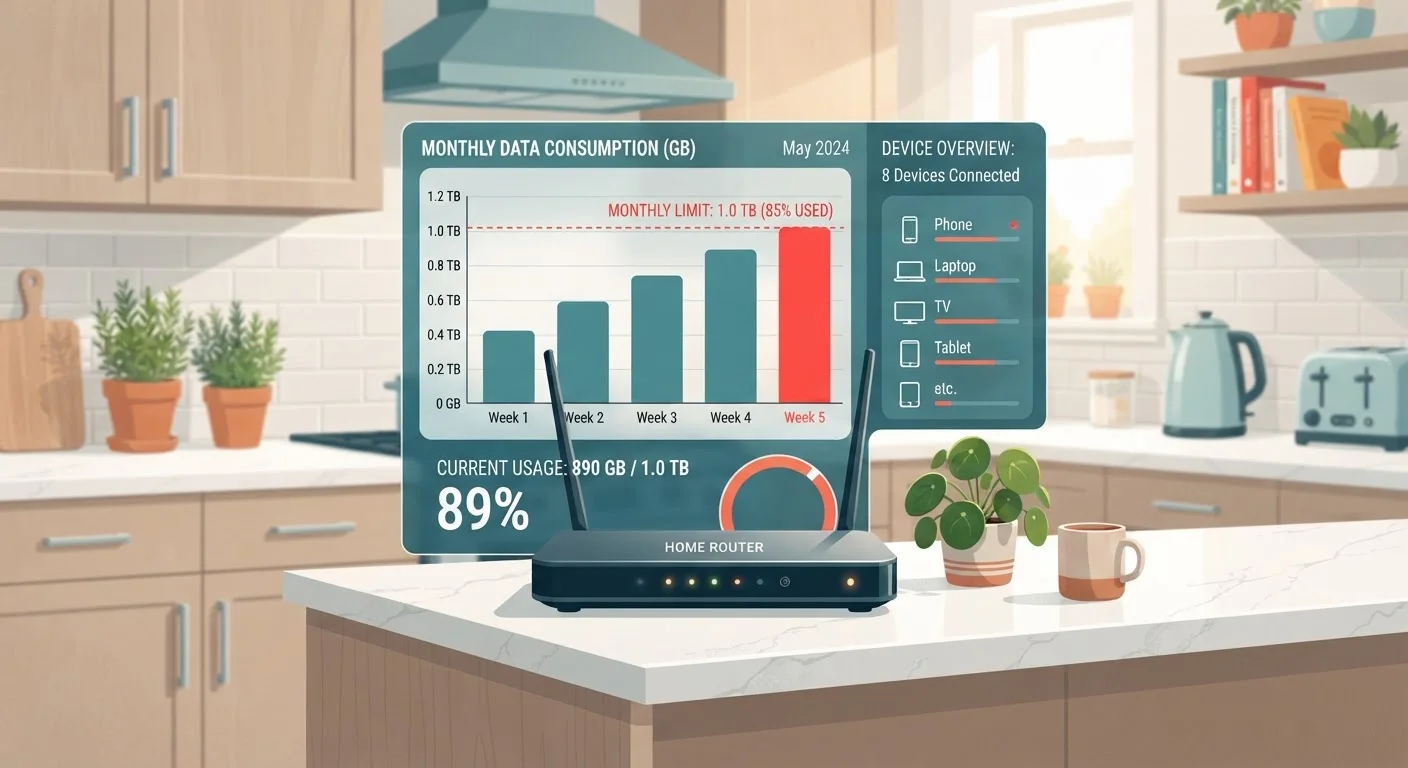
Photo credit: ArticlesHaven.net
In this article
Some bundles cap monthly internet usage and charge for overages. Understand when data caps are likely to affect you and how to check your plan.
Key Takeaways
- Bundled internet plans may include data caps even when marketed as all-inclusive packages.
- Exceeding a cap can result in throttled speeds, overage charges, or both - depending on the provider.
- Streaming video, video calls, and gaming are the heaviest data consumers in most households.
- Checking your provider's usage policy - not just the advertised speed - is the key step before signing up.
- Some providers offer unlimited data add-ons for an extra monthly fee within their bundle tiers.
What a Data Cap Actually Does in a Bundle
When a telecom provider packages internet with TV channels, a home phone line, or a streaming add-on, the internet portion almost always carries its own terms - including any applicable data cap. The bundle price doesn't change how the cap works; it's still a hard monthly ceiling on how many gigabytes your household can download and upload combined.
What happens at that ceiling varies. Some providers throttle speeds to a fraction of your normal rate - often 1-3 Mbps - for the remainder of the billing cycle. Others charge overage fees, typically billed in blocks (for example, an additional fee for every 50 GB over the limit). A few plans combine both approaches. Understanding which policy applies to your specific plan matters more than the advertised bundle price alone.
For a plain-language breakdown of how caps interact with speed tiers, see home internet plan terms explained.
1 TB
Common monthly cap among major cable ISPs
Many large cable internet providers have standardized around a 1 TB monthly data allowance, with overages charged per additional 50 GB block.
~20 GB/hr
Peak data use for 4K HDR streaming
Streaming platforms can consume up to 20 GB per hour for 4K HDR content, though actual usage depends on the platform's compression and quality settings.
~40%
US households that regularly stream 4K video
A growing share of US households stream at 4K resolution regularly, making data cap math more consequential than it was during the standard-definition era.
When Data Caps Are Likely to Affect You
Not every household needs to worry equally. Light users - those who browse, check email, and occasionally stream music - may use fewer than 100 GB a month and never approach even a modest cap. But several habits push consumption significantly higher:
- HD and 4K video streaming: A single 4K stream can consume 7-20 GB per hour, depending on the platform's compression settings.
- Remote work and video conferencing: Regular video calls add up quickly, especially with multiple people working or learning from home.
- Online gaming and large downloads: Game file sizes have grown substantially; a single title update can exceed 50 GB.
- Multiple connected devices: Smart TVs, tablets, phones, and security cameras all draw data even in the background.
Households with heavy streaming needs face a distinct calculus - the interaction between bandwidth, caps, and TV add-ons is explored in how streaming households should evaluate bundles.
Check Your Usage Before Switching Plans
Most providers display rolling usage data in your online account dashboard. Before changing or renewing a bundle, review two to three months of usage history. This gives you a realistic picture of your household's baseline and whether a cap increase or unlimited upgrade would actually save you money.
How to Find the Cap in Your Bundle's Fine Print
Providers aren't always forthcoming about cap details in their marketing materials. Here's where to look:
- The service agreement or terms of service - usually linked at the bottom of the provider's plan pages. Search for terms like "data usage," "usage allowance," or "excessive use policy."
- The Broadband Facts label - since April 2024, the FCC has required most fixed and mobile internet providers to display a standardized nutrition-label-style disclosure listing monthly data included, overage charges, and any speed restrictions.
- Your account portal - after signing up, log in and look for a usage meter. This shows real-time consumption against your monthly allowance.
If you're evaluating whether a bundle's cap is meaningfully different from a standalone plan, how data caps compare across plan types offers useful context.
Broadband Facts Labels: A New Disclosure Standard
Following FCC rules that took effect in 2024, fixed and mobile internet providers are generally required to display standardized Broadband Facts labels - similar in concept to nutrition labels on food packaging. These labels list monthly data included, overage fees, and speed details in a consistent format. Looking for this label on a provider's plan page is one of the clearest ways to find cap information without digging through lengthy terms of service documents.
Unlimited Add-Ons and What They Actually Mean
Many providers now offer unlimited data as an optional upgrade within their bundle tiers - sometimes for an extra $10-$30 per month, sometimes bundled into a higher-tier package at a higher base price. Whether that upgrade is worth it depends on your household's actual usage pattern and how your provider handles overages.
It's also worth distinguishing between truly unlimited data and plans that carry soft caps. Some "unlimited" plans reduce speeds once a household exceeds a certain threshold in a billing period - a practice called deprioritization or soft throttling. This is technically different from a hard cap but can have a similar real-world effect during busy network periods.
What unlimited data plans actually mean in practice goes deeper on this distinction. And if you're comparing fixed home internet caps to mobile hotspot data limits, how mobile hotspot data caps work is a relevant comparison point.
Frequently Asked Questions

Author
Articles Haven Editorial Contributor
Articles Haven Editorial Team is the collective byline for our editorial team and contributor network. Articles published under this byline or an editorial pen name are researched, written, and reviewed according to our editorial standards for clarity, consistency, and independence before publication.
View all articles →