
Cable TV Bundles vs. Streaming-Only Packages: A Side-by-Side Look
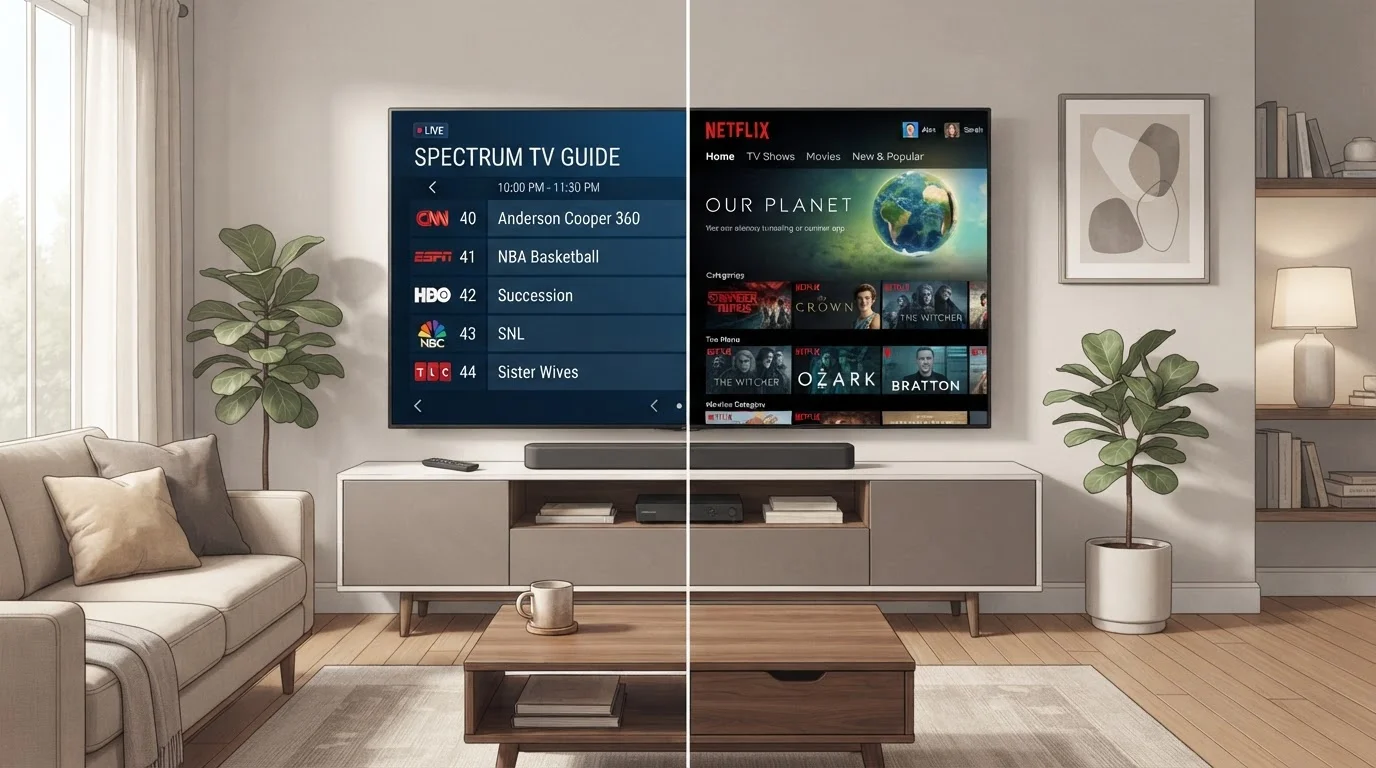
Photo credit: ArticlesHaven.net
In this article
Compare traditional cable bundles with streaming-centric alternatives to see which approach fits your viewing habits and budget.
Key Takeaways
- Cable bundles typically lock in pricing for a term but can include more channels and local programming by default.
- Streaming-only packages offer more flexibility but costs can add up quickly when you subscribe to multiple services.
- Internet speed and data caps matter significantly if you go streaming-only - your connection becomes the foundation.
- Live sports and local news remain easier to access through cable, though streaming options are expanding.
- Neither approach is universally cheaper; the right choice depends on viewing habits and household size.
How These Two Approaches Work
Cable TV bundles package linear television - meaning scheduled, channel-based programming - together with internet service, and sometimes a landline phone, under one provider contract. You pay a recurring monthly rate, typically with a one- or two-year agreement, and receive a set-top box that gives you access to your subscribed channel tiers.
Streaming-only packages work differently. Instead of a single provider relationship, you build your own stack: a broadband internet plan as the foundation, then any combination of on-demand services and, optionally, a live TV streaming service (sometimes called a virtual MVPD) that replicates a channel lineup over the internet. There's no broadcast infrastructure involved - everything travels through your home network.
Understanding this structural difference is key. With cable, the TV signal and the internet service are sold together and the provider controls both. With streaming, your internet connection and your content subscriptions are separate products from separate companies. That separation creates both the flexibility and the fragmentation that define the streaming experience. For a closer look at how channel tiers work within traditional bundles, see how TV channel packages are tiered.
Cost Comparison: What You Actually Pay
On paper, cable bundles often appear more expensive - a bundled TV and internet plan can run significantly higher per month than a standalone internet plan. But streaming costs compound quickly once you factor in multiple services.
| Criterion | Cable TV Bundle | Streaming-Only |
|---|---|---|
| Typical contract length | 12-24 months | Month-to-month |
| Local channels included | Yes, by default | Varies by service and market |
| Live sports access | Broad, including regional networks | Improving, but varies widely |
| Number of bills | One (bundled) | Multiple (internet + each service) |
| Cancellation flexibility | Early termination fees apply | Cancel anytime |
| Equipment required | Provider set-top box (rented) | Smart TV or streaming device |
| On-demand content depth | Limited to DVR and on-demand library | Extensive, platform-dependent |
| Price transparency | Promotional rate, then increase | Transparent but subject to hikes |
A household subscribing to three or four streaming services plus a live TV streaming add-on can easily match or exceed what a mid-tier cable bundle costs, without the benefit of a locked-in promotional rate. The difference is control: with streaming, you can pause or cancel services; with cable, early termination fees often apply.
It's also worth noting that cable promotional pricing typically expires after 12-24 months, after which rates can increase substantially. Streaming prices, meanwhile, have generally trended upward across the industry in recent years. Neither option has a permanent cost advantage - both require periodic reassessment. For households weighing whether to keep any TV service at all, the trade-offs between internet-only and full bundle plans are worth examining separately.
~$83
Average US pay-TV monthly cost
According to industry research, the average American pay-TV subscriber paid roughly $83/month for television service alone before factoring in internet costs.
4+
Average streaming services per US household
Research from Nielsen and similar firms has found that US households subscribing to streaming services hold an average of four or more active subscriptions at a time.
~76%
US households with at least one streaming subscription
Industry estimates indicate that roughly three in four American households subscribe to at least one paid streaming video service.
Content Access: What You Can Watch and How
Cable's clearest strength is live and local programming. Network affiliates, regional sports networks, and local news channels are bundled in as a matter of course. You don't need to think about which app carries which game - it's on a channel number, and the guide shows you what's on now.
Streaming has closed the gap on original content dramatically, with major platforms producing award-winning series and films. Live TV streaming services now carry most major broadcast networks in most markets, and some carry ESPN or regional sports - but coverage varies by location and service, and blackout restrictions can still apply to live sports events.
On-demand depth is where streaming genuinely leads. The ability to watch a full series run at any time, with no DVR scheduling required, is a meaningful convenience advantage. Cable DVR exists but typically involves storage limits, recording schedules, and additional monthly fees. If your household includes heavy streamers, thinking through bandwidth and bundle needs for high-volume streamers is a useful next step.
Internet Speed Matters More With Streaming
A streaming-only setup places all the demand on your home broadband connection. HD streaming typically requires at least 5-10 Mbps per stream, and 4K content can require 25 Mbps or more per device. Households with multiple simultaneous viewers should evaluate their internet plan capacity before dropping cable. Explore home internet plan options by speed and type to understand what your connection can support.
Flexibility, Contracts, and Long-Term Considerations
Flexibility is where the two models diverge most sharply. Streaming services are almost universally month-to-month, meaning you can subscribe for a season of a show, cancel, and re-subscribe later. Cable bundles routinely require 12- or 24-month agreements, and breaking them early typically incurs fees that can run into the hundreds of dollars.
That said, cable's contract structure does provide one form of stability: price predictability during the promotional period. Streaming services have raised prices multiple times in recent years, and there's no contractual protection against further increases. You have the freedom to cancel, but if you rely on a given service, that freedom may be limited in practice.
Equipment is another factor. Cable requires a provider-supplied box (usually rented at a monthly fee). Streaming requires a compatible smart TV or a streaming device. If your TV isn't already app-capable, there's a one-time hardware cost - though streaming sticks and boxes are generally inexpensive. See whether a streaming stick adds value if you already have a smart TV for more on that decision. For households already in the process of leaving cable, navigating the cord-cutting transition while keeping bundled internet covers the practical steps involved.

Author
Articles Haven Editorial Contributor
Articles Haven Editorial Team is the collective byline for our editorial team and contributor network. Articles published under this byline or an editorial pen name are researched, written, and reviewed according to our editorial standards for clarity, consistency, and independence before publication.
View all articles →