
The Science Behind Stress: What Happens in Your Body When Pressure Builds
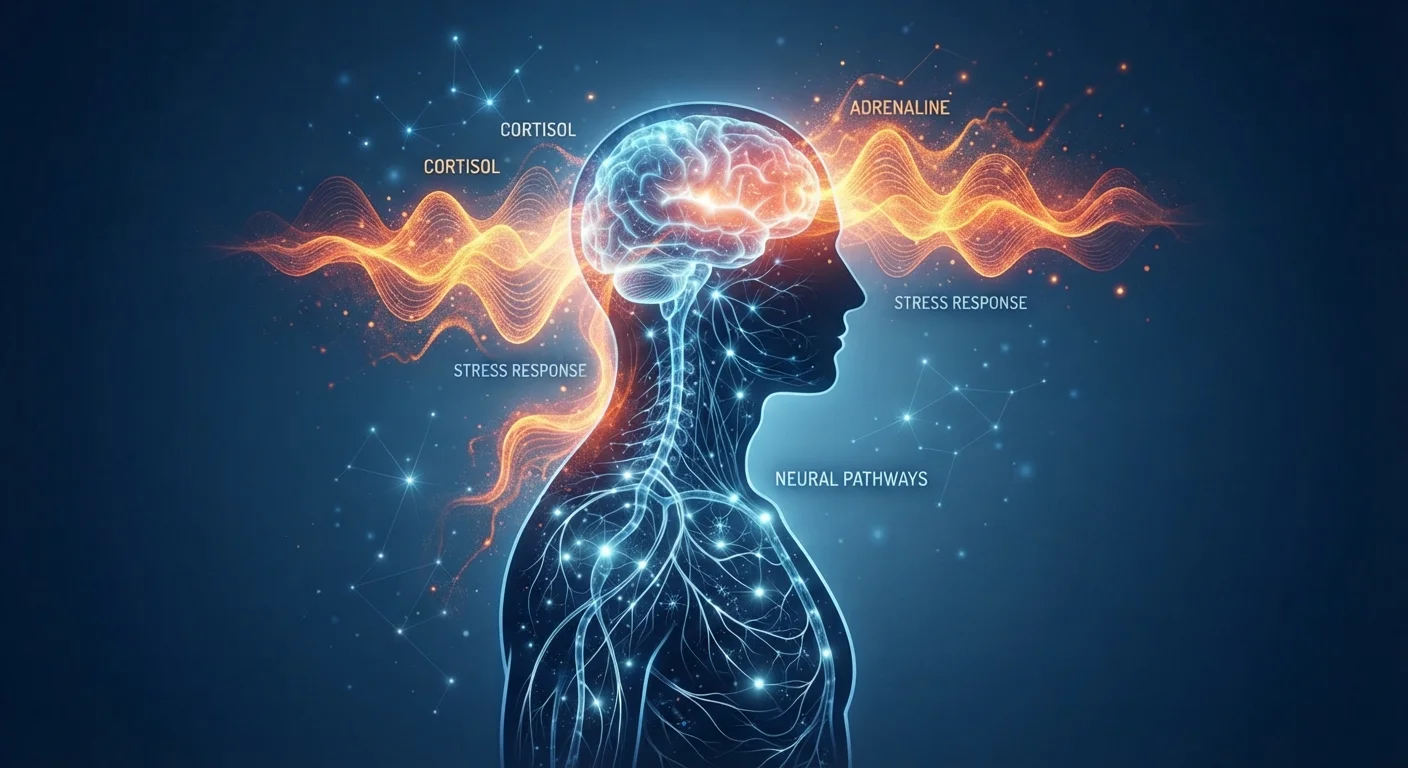
Photo credit: ArticlesHaven.net
In this article
From cortisol spikes to the fight-or-flight response, here's how chronic and acute stress affect your body and mind over time.
Key Takeaways
- Acute stress is a short-term, protective response; chronic stress can damage health over time.
- Cortisol and adrenaline are the key hormones driving the physical stress response.
- Chronic stress is linked to elevated cardiovascular risk, immune suppression, and sleep disruption.
- The brain's prefrontal cortex - responsible for decision-making - is impaired under prolonged stress.
- Recognizing your stress signals early is the first step toward managing the response effectively.
Fight, Flight, or Freeze: The Immediate Response
When your brain detects a stressor - whether it's a car that cuts you off or a high-stakes meeting - the amygdala (the brain's threat-detection center) fires off an alarm. Within milliseconds, the hypothalamus activates the sympathetic nervous system, triggering the release of adrenaline from the adrenal glands.
The physical effects are immediate and noticeable: heart rate climbs, pupils dilate, muscles tense, and breathing becomes faster and shallower. Blood is redirected away from digestion and toward the large muscle groups. Your body is, in evolutionary terms, preparing to run or fight.
This acute stress response is well-designed for short-term threats. The problem is that it doesn't distinguish well between a genuine physical danger and a stressful email. Any perceived threat - real or abstract - can set the same cascade in motion.
Noticing the Response Is Step One
Many people are so accustomed to feeling stressed that they stop recognizing the physical signals - tight shoulders, shallow breathing, a racing heart. Paying deliberate attention to how your body feels during stressful moments can help you intervene earlier, before the response compounds. Simple awareness is genuinely useful here.
Cortisol: The Slower-Acting Stress Hormone
While adrenaline handles the immediate alarm, cortisol - released by the adrenal cortex via the HPA axis - sustains the response over a longer period. Cortisol raises blood sugar (to fuel muscles), suppresses non-urgent functions like the immune response, and heightens alertness.
In short bursts, cortisol is useful. But when stress is ongoing, cortisol levels remain chronically elevated, and that's where many of the downstream health effects emerge. Persistently high cortisol is associated with disrupted sleep cycles, increased abdominal fat storage, elevated blood pressure, and weakened immune function.
77%
Adults reporting physical stress symptoms
According to American Psychological Association survey data, a large majority of US adults report experiencing physical symptoms they attribute to stress.
2-3×
Elevated cardiovascular risk with chronic stress
General research literature suggests chronically high psychological stress is associated with significantly elevated risk of cardiovascular events, though individual factors vary widely.
Up to 50%
Of doctor visits stress-related, per estimates
Various healthcare studies have suggested that a substantial proportion of primary care visits involve stress-related or stress-exacerbated conditions, though exact figures differ by study.
It's worth noting that cortisol follows a natural daily rhythm even without stress - it peaks in the morning and tapers through the day. Chronic stress distorts this rhythm, which can explain why chronically stressed people often feel wired but exhausted.
What Chronic Stress Does to the Brain
The effects of prolonged stress on the brain are well-documented in general research. The prefrontal cortex - the region responsible for rational decision-making, impulse control, and planning - becomes less active under sustained stress. Meanwhile, the amygdala can become hyperreactive, meaning smaller triggers provoke bigger emotional responses over time.
Chronic stress has also been associated with changes in the hippocampus, a brain region central to memory and learning. Elevated cortisol over long periods may inhibit the formation of new memories and impair the recall of existing ones - which is why stressed people often describe feeling foggy or forgetful.
Stress and Anxiety Are Related but Distinct
While stress and anxiety share many physiological features - including elevated cortisol and sympathetic nervous system activation - they're not the same thing. Stress typically has an identifiable external cause that, once resolved, allows the body to reset. Anxiety can persist even in the absence of an obvious stressor. Understanding the distinction matters for how you respond to each.
This is also why stress and emotional wellbeing are so tightly linked. If you're finding it difficult to separate how you feel from what's actually stressing you, our article on the difference between anxiety and stress may offer useful context.
The Body's Warning Signals Over Time
Chronic stress rarely announces itself with a single dramatic symptom. Instead, it tends to accumulate across systems. Common physical signals include persistent tension headaches, digestive discomfort, frequent minor illnesses (a sign of immune suppression), and disrupted sleep. Cardiovascular strain - elevated resting heart rate and blood pressure - is another well-documented consequence.
Behaviorally, people under chronic stress often notice changes in appetite, reduced motivation, irritability, and difficulty concentrating. These aren't personality flaws; they're physiological responses to a system that's been running in overdrive.
Spending time in natural environments is one area where general research suggests potential benefit for the stress response - for an overview of that evidence, see our piece on nature exposure and wellbeing. And if stress signals feel persistent or hard to manage, knowing when stress has crossed into something that needs attention is an important next step.
This article is intended for general informational purposes only and does not constitute medical advice. If you are experiencing symptoms that concern you, please consult a qualified healthcare professional.
Frequently Asked Questions

Author
Articles Haven Editorial Contributor
Articles Haven Editorial Team is the collective byline for our editorial team and contributor network. Articles published under this byline or an editorial pen name are researched, written, and reviewed according to our editorial standards for clarity, consistency, and independence before publication.
View all articles →