
Mindfulness-Based Stress Reduction vs. General Meditation: What Sets Them Apart
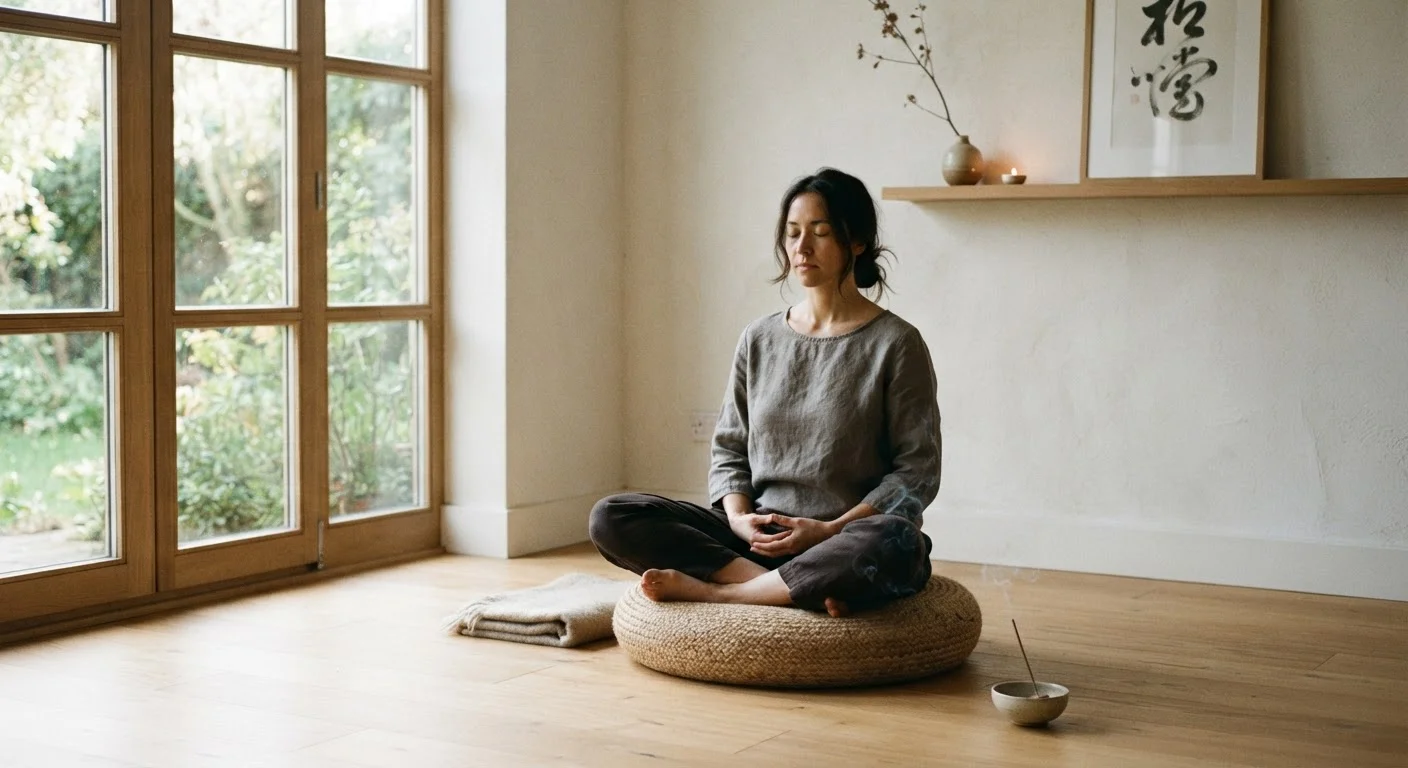
Photo credit: ArticlesHaven.net
In this article
MBSR is a structured, clinically studied program. General meditation is a broad category. Here's how they differ in format, intent, and evidence base.
Key Takeaways
- MBSR is a specific 8-week program with a defined curriculum; general meditation is a wide category of practices.
- MBSR has been studied in clinical settings; general meditation practices vary widely in their evidence base.
- Both approaches draw on mindfulness, but MBSR applies it within a structured therapeutic context.
- General meditation is more accessible and self-directed; MBSR typically requires a trained instructor.
- Neither is a substitute for professional mental health care - both are complementary tools.
What Each Term Actually Means
These two terms are often used interchangeably, but they describe very different things. Mindfulness-Based Stress Reduction (MBSR) is a specific, structured program developed by Jon Kabat-Zinn at the University of Massachusetts Medical School in the late 1970s. It runs for eight weeks, involves weekly group sessions of roughly 2.5 hours, daily home practice, and a day-long retreat. The curriculum combines mindfulness meditation, body scanning, and gentle movement (often yoga-based), all taught by instructors trained in a standardized format.
General meditation, by contrast, is a broad umbrella. It encompasses dozens of distinct practices - focused attention, open monitoring, loving-kindness (metta), transcendental meditation, visualization, mantra-based techniques, and more. These practices come from diverse cultural and spiritual traditions, and their modern secular forms vary widely in format, duration, and intent. There is no single curriculum, no required instructor, and no standard length of engagement.
Understanding this distinction matters because the evidence base, access requirements, and likely experience differ considerably between the two. For a broader look at how mindfulness and meditation relate to relaxation techniques more generally, see this breakdown of the differences.
How the Evidence Compares
MBSR has been the subject of several hundred peer-reviewed studies. Research has examined its effects on stress, anxiety, depression symptoms, chronic pain, and quality of life. While findings vary and the field acknowledges limitations - including small sample sizes and variability in control conditions - there is a meaningful body of evidence supporting MBSR as a useful complementary approach for some populations. Because the program is standardized, researchers can study "the same intervention" across settings, which strengthens comparability.
8 weeks
Standard MBSR program duration
The original MBSR curriculum, developed at UMass Medical School, runs for eight consecutive weeks with a structured weekly format.
200+
Peer-reviewed MBSR studies published
Researchers have examined MBSR across a range of populations and conditions, though study quality and sample sizes vary.
~2.5 hrs
Typical weekly MBSR session length
Standard MBSR group sessions run approximately 2 to 2.5 hours per week, plus daily home practice between sessions.
General meditation is harder to evaluate as a unified category precisely because it isn't one. A study on transcendental meditation tells you little about breath-focused mindfulness, and vice versa. That said, specific meditation practices - particularly mindfulness meditation - have their own growing research literature. The challenge for consumers is that quality varies: some meditation styles have robust evidence, others are supported mainly by tradition or anecdote.
The practical upshot: if you want a practice with a clearly defined evidence trail, MBSR is easier to evaluate. If you're drawn to general meditation, look for research on the specific style you're considering, not just "meditation" as a whole. It's also worth understanding how stress responses differ - acute and chronic stress are distinct, and that distinction can shape which approach makes more sense for you.
Structure, Access, and Practical Differences
| Criterion | MBSR | General Meditation |
|---|---|---|
| Format | Standardized 8-week curriculum | Varies widely by style and teacher |
| Instructor required | Yes - trained MBSR teacher | Optional - self-directed is common |
| Time commitment | ~2.5 hrs/week + daily home practice | Flexible - minutes to hours |
| Clinical evidence base | Substantial, standardized research record | Varies by practice type |
| Cost | Program fee (varies by provider) | Often free or low cost |
| Access | Hospitals, universities, online programs | Apps, books, videos, classes |
| Goal orientation | Stress reduction, therapeutic context | Varies: calm, focus, spirituality, etc. |
One of the most practical differences is access. MBSR programs are offered through hospitals, universities, community health centers, and some workplaces - and increasingly in online formats. They typically involve a fee (though some institutions offer sliding scale options), and they require consistent time commitment over eight weeks. That level of structure is a feature for some people and a barrier for others.
General meditation, by contrast, can be started today with nothing more than a quiet space and a few minutes. Apps, free audio guides, and online videos make a wide range of practices accessible at low or no cost. The trade-off is that without guidance, it can be harder to know whether you're practicing effectively or how to handle challenges that arise (such as heightened emotions or difficulty concentrating).
MBSR Is Not Therapy
Although MBSR was developed in a medical setting and is often offered through healthcare institutions, it is not a form of psychotherapy. It does not involve individual clinical assessment or treatment of diagnosed conditions. People with significant mental health concerns should discuss any new practice - including MBSR - with a qualified healthcare provider before starting.
Which Is Right for You?
The honest answer is that it depends on what you're looking for and what fits your life. MBSR suits people who benefit from accountability, group learning, and a defined endpoint - and who are interested in a practice with a clinical research record. General meditation suits people who want to build a personal, flexible habit without committing to a structured program.
These approaches aren't mutually exclusive. Many people complete an MBSR program and then continue with informal daily meditation. Others start with general meditation and later seek MBSR when dealing with a specific stressor or health challenge. If stress and anxiety are part of your picture, it may also help to understand what you're working with - anxiety and stress share symptoms but have different origins, which can influence which tools are most appropriate.
Neither MBSR nor general meditation is a substitute for professional mental health care. Both are best understood as complementary tools - potentially useful alongside, not instead of, guidance from a qualified healthcare provider.
This article is for general informational purposes only and does not constitute medical or psychological advice. If you are managing a mental or physical health condition, consult a qualified healthcare professional before beginning any new practice.

Author
Articles Haven Editorial Contributor
Articles Haven Editorial Team is the collective byline for our editorial team and contributor network. Articles published under this byline or an editorial pen name are researched, written, and reviewed according to our editorial standards for clarity, consistency, and independence before publication.
View all articles →