
Hydration Myths That Keep Getting Repeated Online
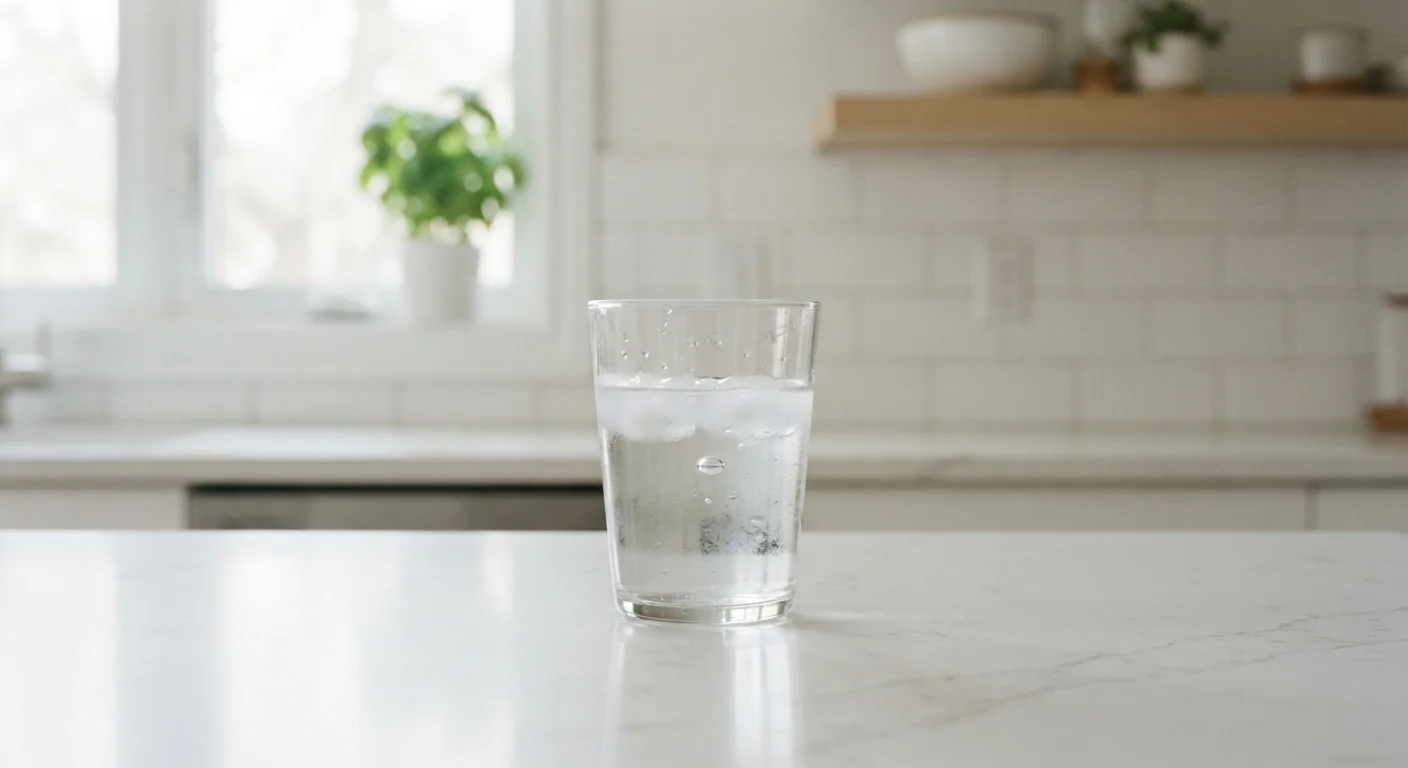
Photo credit: ArticlesHaven.net
From the eight-glasses rule to detox water claims — separating hydration fact from popular fiction.
Key Takeaways
- The 'eight glasses a day' rule has no strong scientific basis and varies widely by individual.
- Thirst is a reliable hydration signal for most healthy adults - not a sign you're already dehydrated.
- Coffee and tea count toward daily fluid intake despite widespread claims to the contrary.
- Clear urine is not the gold standard for hydration; pale yellow is the healthier target.
- Detox waters offer flavor, not a physiological cleansing benefit.
Why Hydration Advice Gets Distorted
Hydration is one of those health topics where a kernel of real science gets stretched into a rigid rule, repeated until it feels like fact. The internet amplifies this - a simplified guideline from a 1940s nutritional standard or a wellness influencer's morning routine becomes the baseline everyone measures themselves against.
The reality is that individual fluid needs depend on body size, activity level, climate, diet, and health status. There is no single universal number that applies to every adult. Understanding what the evidence actually supports - and what it doesn't - helps you build habits that work for your life rather than someone else's formula. For practical strategies on consistently hitting your intake, see how to actually drink more water daily.
Myth
You need to drink eight 8-ounce glasses of water every day.
Fact
No peer-reviewed study establishes eight glasses as the correct amount for all adults. Needs vary based on body size, activity, diet, and environment.
The "8x8" rule is often traced to a 1945 U.S. Food and Nutrition Board recommendation - but that guidance included fluid from all food and beverages, not just plain water. There is no controlled clinical evidence showing that eight glasses specifically is optimal for healthy adults. The U.S. National Academies of Sciences suggests general daily adequate intakes of around 3.7 liters for men and 2.7 liters for women total water from all sources, but these are population-level reference values, not personal prescriptions.
Myth
If you feel thirsty, you're already dehydrated.
Fact
Thirst is a well-calibrated early signal, not a late-stage warning. For healthy adults, feeling thirsty is a reliable prompt to drink - not a sign of a problem.
This myth discourages people from trusting their own bodies and drives unnecessary anxiety about fluid intake. Research on healthy adults shows that the thirst mechanism activates at mild fluid deficits - typically around 1-2% of body water - which is well within the body's normal regulatory range. The caution about thirst being unreliable applies more specifically to older adults (whose thirst sensitivity can decline with age) and to athletes in prolonged heat, not to the general population as a blanket rule.
Myth
Coffee and tea dehydrate you because they're diuretics.
Fact
Caffeinated drinks do have a mild diuretic effect, but the net fluid from a cup of coffee or tea still contributes positively to your daily intake.
Multiple studies have found that moderate caffeine consumption - typical of one to four cups of coffee daily - does not produce a net fluid loss in regular drinkers. The body adapts to habitual caffeine consumption, reducing the diuretic response over time. Major health organizations, including the British Dietetic Association, acknowledge that tea and coffee count toward daily fluid totals. Extremely high caffeine doses are a different matter, but that's not what most people consume.
Myth
Drinking more water flushes out toxins and cleanses your system.
Fact
The liver and kidneys handle toxin removal. Drinking extra water beyond your needs does not enhance or accelerate that process.
The idea of "flushing toxins" through water is a persistent wellness claim with no specific physiological mechanism behind it. Your kidneys filter blood continuously and excrete waste products in urine; adequate hydration supports this process, but overhydrating does not speed it up meaningfully. Detox water - plain water infused with fruit or herbs - provides flavor and may encourage some people to drink more, which is a reasonable benefit. But it does not deliver a unique cleansing effect beyond normal hydration.
Myth
Clear urine means you're perfectly hydrated.
Fact
Completely clear urine can indicate overhydration. A pale yellow color is the generally accepted sign of adequate hydration.
Urine color charts used by researchers and clinicians place optimal hydration in the pale straw to light yellow range. Very clear, colorless urine may mean you are drinking more than your body needs, which for most people is harmless - but it isn't a superior goal. In rare cases, excessive water intake (hyponatremia) can become medically serious, particularly for endurance athletes drinking large volumes without adequate electrolyte replacement. Pale yellow is the practical, evidence-aligned target.
What the Evidence Actually Supports
Hydration science is more flexible than popular advice suggests. Your kidneys are remarkably capable of regulating fluid balance across a wide range of intake levels, and most foods contribute meaningfully to your daily fluid total - fruits, vegetables, soups, and dairy all count.
~20%
Daily fluid intake from food alone
The U.S. National Academies estimates roughly 20% of daily water intake comes from food rather than beverages, particularly from fruits and vegetables.
1-2%
Body water loss before thirst activates
Research indicates thirst signals typically begin at around a 1-2% deficit in body water - a modest, normal fluctuation, not a crisis level.
The clearest guidance from major health bodies is to drink enough that your urine stays a pale straw color, drink more during heat or physical exertion, and pay attention to your body's signals rather than a fixed number. That's less viral-friendly than "drink eight glasses," but it's more accurate.
Overhydration Is a Real Risk for Some Groups
While uncommon, drinking excessive water in a short period can dilute sodium levels in the blood, a condition called hyponatremia. This is most relevant to endurance athletes who drink large quantities of plain water during prolonged events. If you have kidney disease, heart conditions, or other health concerns that affect fluid regulation, speak with a healthcare provider about what intake is appropriate for you - general hydration guidance may not apply.
This article is for general informational purposes only and does not constitute medical advice. Individual hydration needs vary. Consult a qualified healthcare professional for guidance specific to your health situation.

Author
Articles Haven Editorial Contributor
Articles Haven Editorial Team is the collective byline for our editorial team and contributor network. Articles published under this byline or an editorial pen name are researched, written, and reviewed according to our editorial standards for clarity, consistency, and independence before publication.
View all articles →