
Drink More Water — But Actually Make It Happen
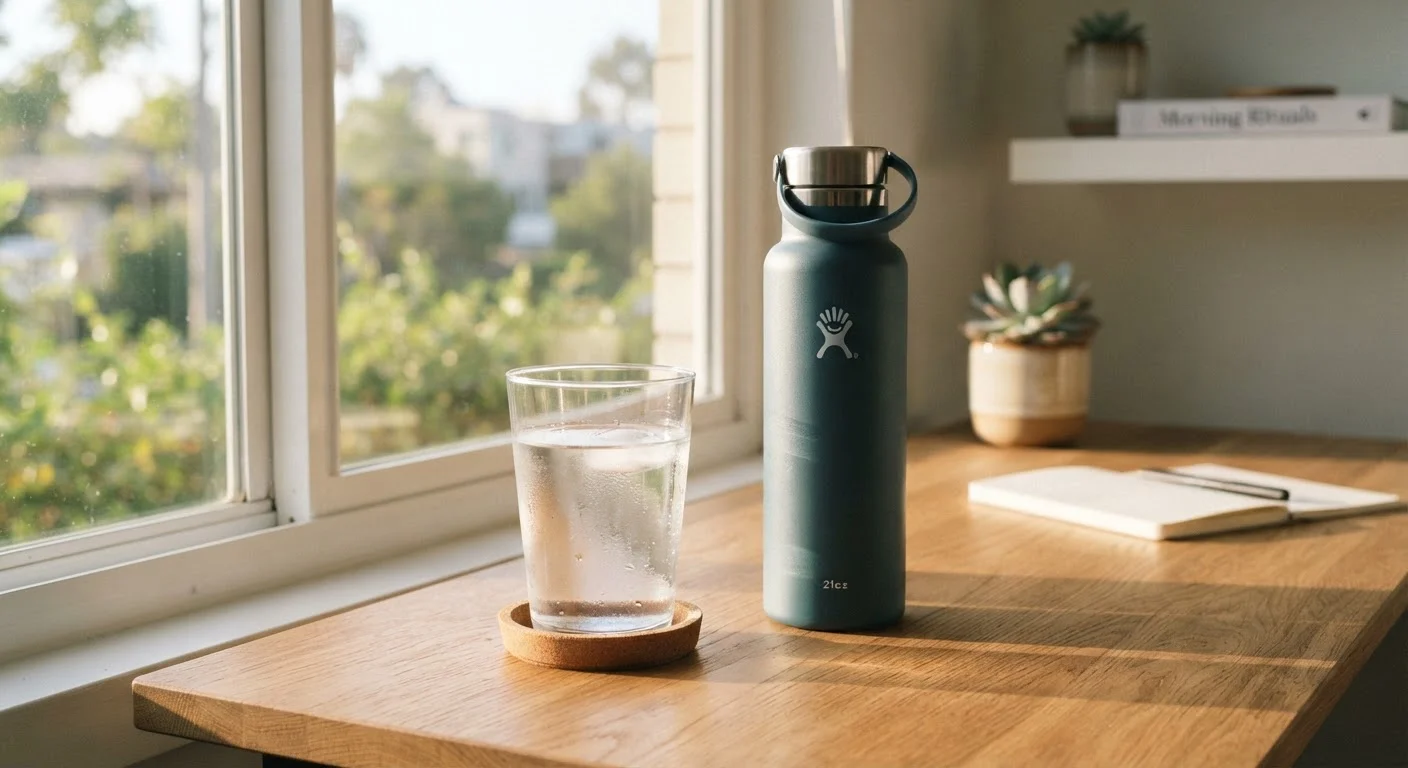
Photo credit: ArticlesHaven.net
In this article
Practical strategies to consistently hit your daily fluid intake without relying on reminders alone.
Key Takeaways
- Habit stacking - pairing water intake with existing routines - is more reliable than reminders.
- Your environment (bottle placement, cup size) shapes behavior more than motivation does.
- Foods like cucumbers, watermelon, and soups contribute meaningfully to daily fluid intake.
- Thirst is not a reliable early signal; building proactive habits matters more.
- Individual fluid needs vary based on body size, activity level, and climate.
Why Most Hydration Advice Fails in Practice
The advice to "drink more water" is everywhere - and largely useless on its own. Knowing you should drink more doesn't translate into actually doing it, particularly when your day is busy, you don't feel thirsty, or water simply doesn't appeal to you in the moment.
The gap between knowing and doing usually comes down to habit architecture. Relying on willpower or app reminders places hydration in the same mental queue as everything else competing for your attention. What actually works - as behavioral research on environment and habits consistently suggests - is reducing the friction involved and attaching the behavior to existing routines.
It's also worth clearing up a common misconception: the widely repeated rule of "eight glasses a day" is not a universal standard backed by clinical evidence. Actual fluid needs vary considerably based on body weight, activity level, climate, and diet. What this article focuses on is building the consistency to meet your individual needs - whatever those are.
What you will need
What You'll Need Before You Start
Reusable water bottle (16-32 oz)
Serves as both a container and a visual cue; keeping it filled and visible dramatically increases passive consumption.
Marked or measured container
Helps you track rough volume without an app - useful for building awareness in the first week.
Hydration tracking app
Provides structured logging if you prefer data; most also allow custom reminders tied to activity.
You don't need much. The goal is to reduce friction, not add gear to your routine. A visible bottle and a slightly adjusted morning habit will get you most of the way there.
Use Your Environment as a Cue
Research on habit formation consistently shows that visibility and convenience outperform willpower. Placing a full water bottle on your desk or a glass next to the coffee maker means you're more likely to drink without thinking about it. As explored in our article on how environment shapes health habits, your surroundings do much of the motivational heavy lifting.
Step-by-Step: Building the Habit
Establish a morning anchor habit
Before reaching for coffee or your phone, drink a full glass of water - roughly 8-12 oz. Your body loses fluid overnight through respiration, and starting with water creates an immediate deposit toward the day's total. Place a glass on your nightstand or beside the coffee maker the night before so the cue is already there when you wake up.
Set a visible, filled bottle at your primary workspace
Whatever surface you spend the most time at - a desk, a kitchen counter, a workbench - that's where a full water bottle belongs. Out of sight genuinely does mean out of mind for most people. A 24-32 oz bottle at eye level, already filled, removes the friction entirely. Refilling it once or twice covers a large share of a typical adult's daily needs.
Attach water intake to existing meal and snack moments
Drink a glass of water before each meal and alongside any snack. This habit stack works on two levels: it contributes meaningfully to fluid totals, and research suggests it may reduce the tendency to mistake mild thirst for hunger. You don't need to add new moments to your day - you're just adding water to moments that already exist.
Increase fluid intake through food, not just drinks
A meaningful portion of daily fluid intake can come from food. Fruits and vegetables with high water content - cucumbers, celery, watermelon, oranges, lettuce, tomatoes - contribute to overall hydration. Soups and broths also count. If you struggle to drink water on its own, leaning into hydrating foods takes pressure off pure fluid consumption. This approach also tends to add fiber and nutrients, which is a genuine secondary benefit.
Adjust intake based on activity and conditions
Fluid needs aren't static. Hot weather, exercise, travel (particularly air travel, which is drying), and illness all increase how much fluid your body needs. On active or hot days, build in an extra glass or two proactively - before you feel thirsty, not after. Urine color is a practical field indicator: pale yellow is generally a reasonable target; dark yellow suggests you're running behind.
Overhydration Is a Real Risk
Drinking excessive amounts of water in a short period can dilute sodium levels in the blood, a condition called hyponatremia. This is uncommon in everyday settings but worth knowing - especially for endurance athletes or anyone dramatically increasing intake. Aim for steady, distributed consumption throughout the day rather than large volumes all at once.
Troubleshooting Common Sticking Points
Even with good systems, a few obstacles tend to derail people repeatedly:
- "I don't like the taste of plain water." Add a squeeze of citrus, a few mint leaves, or use a filter if your tap water has an off taste. Sparkling water is a legitimate substitute for most people.
- "I forget until late in the day." Front-load your intake. Getting half your daily target in before noon means the afternoon doesn't require heroic catch-up effort.
- "I'm not thirsty." Thirst is a lagging indicator - it kicks in after your body is already mildly behind. Building proactive cues (bottles in view, water before meals) removes dependence on thirst signals entirely.
- "I drink coffee and tea all day instead." Those count toward fluid totals more than most people realize. The concern is primarily added sugar in sweetened drinks, not the caffeine itself.
This Is General Information, Not Medical Advice
The guidance in this article is intended for general educational purposes only. Individual hydration needs vary based on health conditions, medications, age, and other factors. If you have kidney disease, heart conditions, or other health concerns that affect fluid balance, consult a qualified healthcare professional before making changes to your fluid intake.
This article provides general health information for educational purposes only and is not a substitute for personalized medical advice. Consult a qualified healthcare professional if you have concerns about your hydration or any related health condition.

Author
Articles Haven Editorial Contributor
Articles Haven Editorial Team is the collective byline for our editorial team and contributor network. Articles published under this byline or an editorial pen name are researched, written, and reviewed according to our editorial standards for clarity, consistency, and independence before publication.
View all articles →