
What the ACA Marketplace Covers — and What It Doesn't
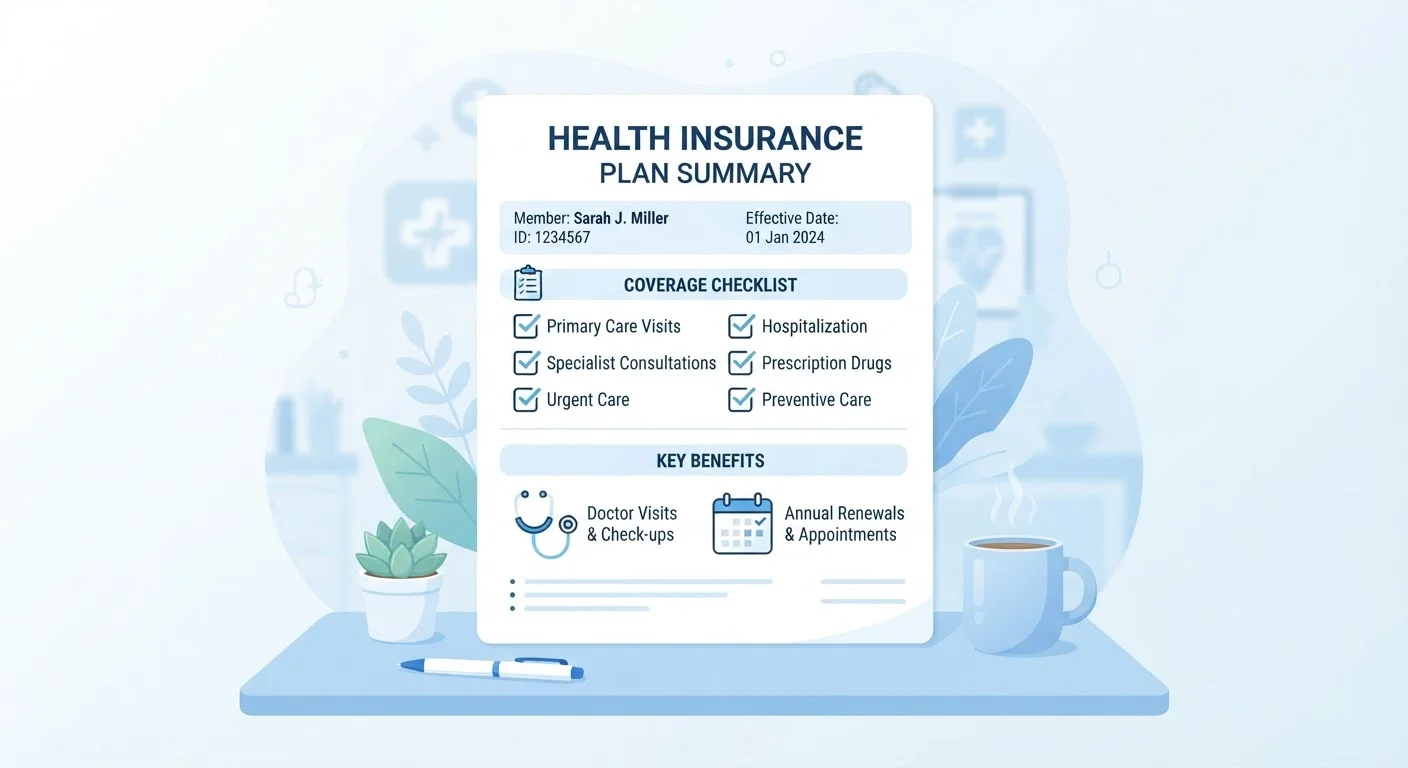
Photo credit: ArticlesHaven.net
In this article
The ACA Marketplace offers essential health benefits, but gaps exist. Learn what's typically included and where coverage often falls short.
Key Takeaways
- All ACA Marketplace plans must include ten categories of Essential Health Benefits by federal law.
- Dental, vision, and long-term care are generally not included in standard adult Marketplace plans.
- Preventive care is typically covered at no cost-sharing when you see an in-network provider.
- Coverage gaps are most common for elective, cosmetic, and experimental treatments.
- Out-of-pocket costs - deductibles, copays, coinsurance - are separate from whether a service is covered at all.
- Comparing plans means looking beyond premiums to understand what's actually excluded.
The Ten Essential Health Benefits: What Every Plan Must Include
The ACA established ten categories of Essential Health Benefits (EHBs) that every Marketplace plan sold in the United States must cover. These aren't optional - they're a federal floor. Here's what's required:
- Ambulatory patient services - outpatient care like doctor visits and same-day procedures
- Emergency services - ER visits, including out-of-network emergencies
- Hospitalization - inpatient surgery, overnight stays, and related care
- Maternity and newborn care - prenatal visits, labor, delivery, and postnatal support
- Mental health and substance use disorder services - therapy, counseling, and addiction treatment
- Prescription drugs - based on each plan's formulary
- Rehabilitative and habilitative services - physical therapy, occupational therapy, speech therapy
- Laboratory services - diagnostic tests and bloodwork
- Preventive and wellness services - screenings, vaccines, and annual checkups
- Pediatric services - including dental and vision for children
Having a service listed under an EHB category doesn't mean it's free. You'll typically still owe deductibles, copays, and coinsurance based on your plan's structure. For a closer look at how those cost mechanics work, see our overview of insurance coverage and costs.
10
Essential Health Benefit categories required by law
All ACA-compliant Marketplace plans must cover these ten benefit categories under the Affordable Care Act.
~21M
Americans enrolled in ACA Marketplace plans
According to CMS data from the 2024 Open Enrollment Period, Marketplace enrollment reached a record high.
100%
In-network preventive services covered at no cost
ACA-compliant plans must cover USPSTF-recommended preventive services with no cost-sharing when using in-network providers.
What ACA Marketplace Plans Commonly Don't Cover
Knowing the gaps is just as important as knowing the inclusions. Several categories are routinely excluded from standard Marketplace plans:
Adult Dental and Vision
Pediatric dental and vision care are required for children, but adults are on their own. Routine dental cleanings, fillings, and eye exams typically require separate standalone plans or optional riders. Some insurers offer bundled add-ons, but these aren't guaranteed on every plan.
Long-Term Care
Custodial care - help with daily activities like bathing or dressing, whether at home or in a facility - is not covered. This type of care requires a dedicated long-term care policy or Medicaid eligibility in most cases.
Cosmetic and Elective Procedures
Services deemed not medically necessary - cosmetic surgery, most weight-loss surgery, fertility treatments in many states - are generally excluded. Medical necessity is defined by your insurer, and decisions can be contested through a formal appeals process.
Experimental Treatments
Treatments not yet approved by the FDA or considered investigational are usually excluded. Clinical trial participation may offer access to emerging therapies, but standard Marketplace plans don't typically cover experimental protocols.
This pattern of inclusion and exclusion mirrors broader insurance coverage principles. For a cross-category perspective, see what insurance actually covers and what it doesn't.
Coverage Exclusions Can Vary by State
While federal law sets the Essential Health Benefits floor, states can require insurers to cover additional services beyond that baseline. Some states mandate coverage for infertility treatments, hearing aids, or certain behavioral health services that aren't federally required. Always check your specific state's benchmark plan and your insurer's Evidence of Coverage document to understand the full scope of what your plan includes and excludes.
The Preventive Care Exception - and Why It Matters
One of the more consumer-friendly rules in the ACA is that many preventive services must be covered at no cost-sharing when delivered by an in-network provider. This means no copay, no deductible applied - the insurer absorbs the full cost. Qualifying services include annual wellness visits, cholesterol screenings, blood pressure checks, certain cancer screenings, and a range of recommended vaccines.
The catch: the zero-cost rule applies only when the visit is coded as preventive. If a doctor addresses a new problem or orders additional tests during what started as a preventive visit, those services may be billed separately and subject to normal cost-sharing. The specifics are worth understanding before your next checkup. Our article on why preventive care is covered differently walks through those distinctions in detail.
Ask How a Visit Will Be Billed Before You Go
Before any appointment intended as a preventive visit, call your insurer and confirm that the specific services planned will be billed as preventive - not diagnostic. This simple step can prevent unexpected bills when a routine checkup turns into something more. Your insurer's member services line can clarify which codes trigger cost-sharing.
How Plan Type Affects What You Can Access
Even within ACA-compliant plans, your access to covered services depends heavily on the plan's network structure:
- HMO (Health Maintenance Organization): Requires a primary care physician referral to see specialists. Out-of-network care is generally not covered except in true emergencies.
- PPO (Preferred Provider Organization): More flexibility to see specialists without referrals. Out-of-network care is partially covered, usually at a higher cost.
- EPO (Exclusive Provider Organization): Like an HMO for network restrictions, but typically without the referral requirement. No out-of-network coverage.
- HDHP (High Deductible Health Plan): Lower premiums, higher deductibles - often paired with a Health Savings Account (HSA). Frequently available across all network types.
Plan type doesn't change the list of required benefits, but it significantly affects whether you can afford to use them and which providers you can see. If you're weighing a Marketplace plan against coverage through an employer, comparing the two types is a useful starting point.
For those considering a short-term plan as an alternative, keep in mind those plans are not ACA-compliant and can exclude EHBs entirely. Short-term health insurance carries significant limitations that standard Marketplace plans avoid.
Frequently Asked Questions

Author
Articles Haven Editorial Contributor
Articles Haven Editorial Team is the collective byline for our editorial team and contributor network. Articles published under this byline or an editorial pen name are researched, written, and reviewed according to our editorial standards for clarity, consistency, and independence before publication.
View all articles →