
Why Skipping Scheduled Maintenance Costs More Than It Saves
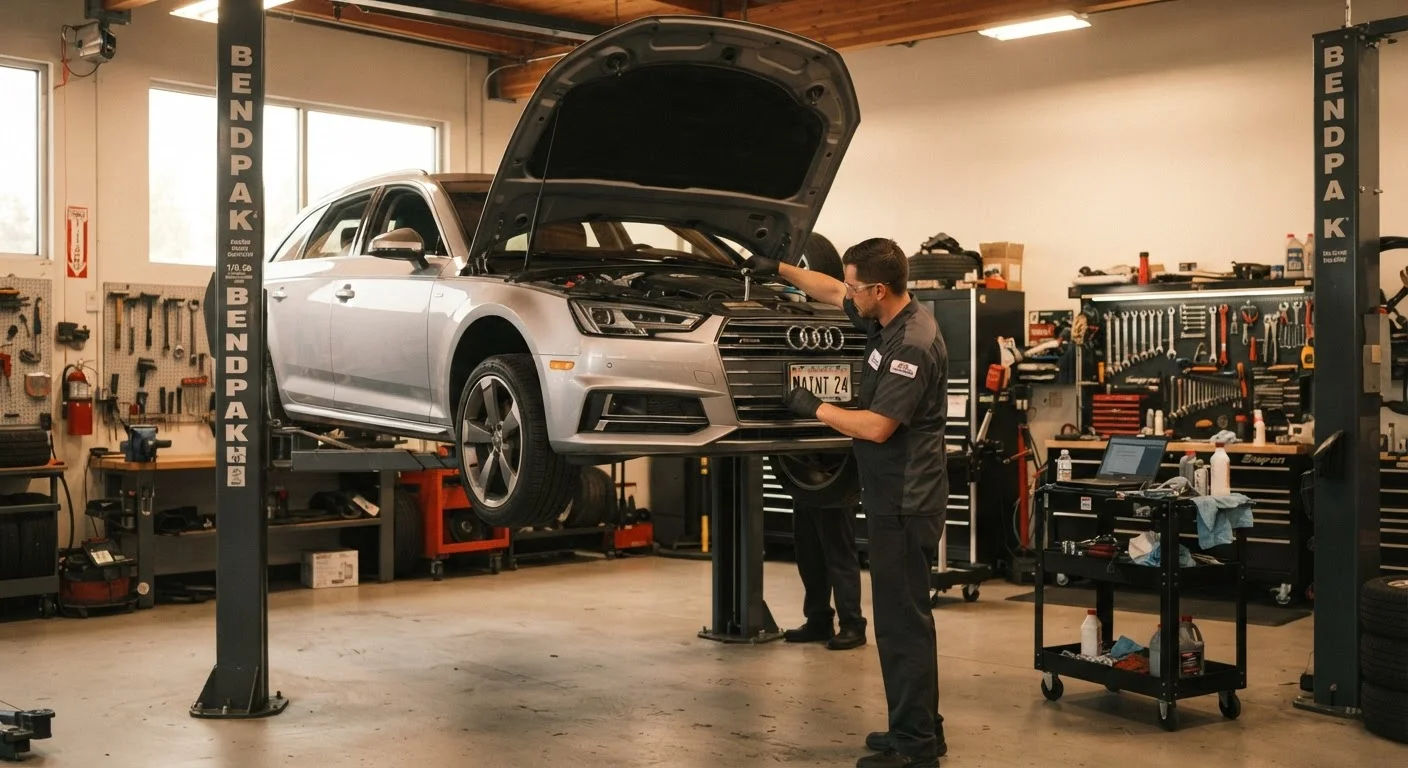
Photo credit: ArticlesHaven.net
In this article
Deferred oil changes and ignored service intervals don't save money—they shift smaller costs into much larger repair bills.
Key Takeaways
- Skipping routine services shifts small, predictable costs into large, unexpected repair bills.
- Neglected oil changes are among the most common causes of premature engine damage.
- Deferred maintenance can void manufacturer warranties and reduce resale value significantly.
- Keeping service records is a practical way to protect both the vehicle and its long-term value.
- Most scheduled intervals are mileage- and time-based - ignoring either trigger causes problems.
The Real Math Behind Skipping Services
Scheduled maintenance has a reputation as an easy line item to cut. The car starts. The engine runs quietly. Nothing obvious is wrong. So the oil change gets pushed back a few weeks, then a month, then longer - and the savings feel real in the short term.
The problem is that deferred maintenance doesn't eliminate costs. It converts predictable, modest service expenses into unpredictable, large repair bills. A $60-$100 oil change that gets skipped repeatedly doesn't stay a $60 problem. It becomes a lubrication-failure issue that can progress to engine wear, and in serious cases, internal engine damage that costs several thousand dollars to address.
The same logic applies across virtually every scheduled service interval. For a full reference on what's due and when, see our guide to routine car maintenance intervals. Understanding the connection between the service schedule and the repair bill is the foundation of smarter vehicle ownership - and it connects directly to the broader hidden costs of owning a vehicle that many buyers underestimate.
$4,000+
Average cost of engine damage from oil neglect
Automotive repair industry data consistently shows internal engine repairs triggered by lubrication failure rank among the costliest non-collision repairs.
30%
Potential resale value reduction from poor maintenance history
Vehicle valuation analysts note that cars without documented service records can appraise notably lower than equivalently-aged, well-maintained models.
2x-4x
Cost multiplier when brake pads damage rotors
Industry repair estimates show rotor replacement adds substantially to what would otherwise be a straightforward brake pad service.
Common Mistakes That Turn Small Services Into Big Repairs
Most deferred-maintenance problems follow a recognizable pattern: the service feels optional until a symptom appears, and by the time a symptom is obvious, the damage is already done. The mistakes below are among the most frequent - and most costly - that vehicle owners make.
Postponing oil changes beyond the manufacturer's recommended interval.
Why it happens: Oil change costs feel discretionary, especially when the engine still sounds fine. Many owners assume modern synthetic oils allow indefinite delays.
Ignoring tire rotation and alignment schedules, then replacing tires years early.
Why it happens: Tire rotation seems minor compared to other services, and uneven wear happens gradually, making it easy to dismiss.
Delaying brake inspections until noise or vibration becomes obvious.
Why it happens: Brakes are out of sight, and drivers often interpret gradual performance changes as normal. The cost of an inspection feels avoidable.
Skipping coolant flushes and transmission fluid changes because no warning light appears.
Why it happens: These are less publicized services, and vehicles rarely show obvious symptoms until significant damage has already occurred.
Treating service records as optional paperwork rather than financial documentation.
Why it happens: Paper receipts get lost, and digital records aren't a habit most owners build intentionally.
Low Fluid Levels Can Cause Rapid Damage
Engine oil, coolant, and transmission fluid don't just need to be changed - they need to stay at adequate levels between changes. A slow leak or burn-off can drop a fluid below safe operating range within weeks. Check fluids monthly, not just at service intervals, to catch problems before they escalate.
How Maintenance Gaps Affect Warranties and Resale
The financial impact of skipped maintenance extends beyond repair bills. Two areas where owners often discover the real cost are warranty coverage and vehicle resale value.
Deferred Maintenance Voids Warranties
Many manufacturer and extended warranties require documented, on-schedule maintenance as a condition of coverage. If you skip or delay a service and a related component fails, the warranty claim may be denied. Always keep dated service records and receipts - they are your proof of compliance.
On the resale side, a vehicle with a complete service history commands more confidence from buyers and appraisers. A car with gaps in its records - or worse, no records at all - raises legitimate questions about what may have been neglected. This is especially relevant for higher-mileage vehicles, where mileage compounds the trade-offs of ownership costs and buyers scrutinize maintenance history more carefully.
If you're weighing whether to keep an older vehicle, the quality of its maintenance record is one of the most honest indicators of what ownership will cost going forward. Our analysis of high-mileage vehicle trade-offs covers how to think through that decision practically. And for a broader look at popular misconceptions that influence how people maintain their cars, common car ownership myths worth revisiting provides useful context.
This article is for general informational purposes only. Always consult a qualified mechanic or your vehicle's owner's manual before making maintenance decisions. Costs, intervals, and warranty terms vary by vehicle, manufacturer, and provider.

Author
Articles Haven Editorial Contributor
Articles Haven Editorial Team is the collective byline for our editorial team and contributor network. Articles published under this byline or an editorial pen name are researched, written, and reviewed according to our editorial standards for clarity, consistency, and independence before publication.
View all articles →