
Roadside Assistance Plans: What They Cover and What They Don't
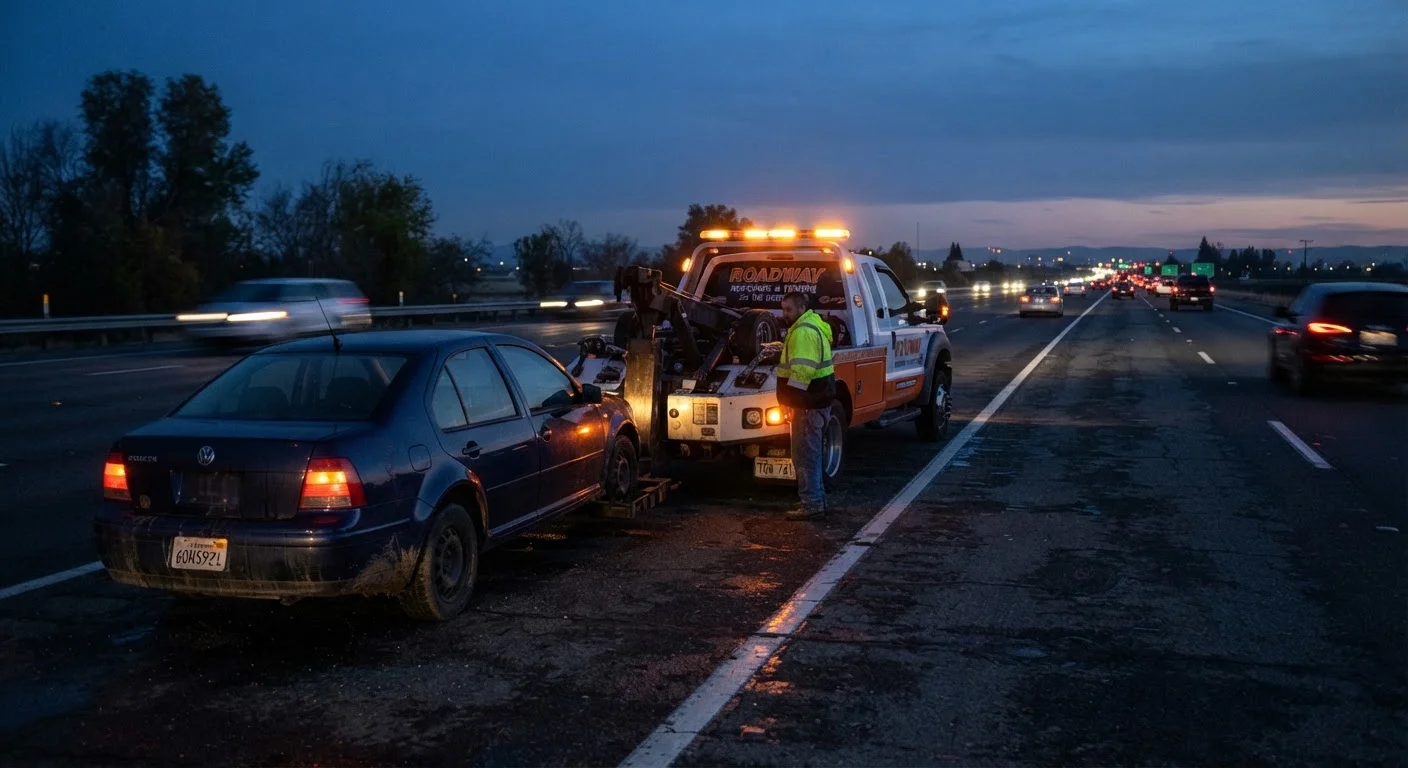
Photo credit: ArticlesHaven.net
In this article
Towing limits, service call caps, and covered scenarios vary widely. Understand what roadside assistance actually includes.
Key Takeaways
- Towing benefits usually have mileage caps - often 5 to 100 miles depending on the plan.
- Most plans limit the number of service calls per year, typically between two and four.
- Roadside assistance does not cover repair costs once your vehicle reaches a shop.
- Coverage for off-road or unpaved-road breakdowns is frequently excluded.
- Multiple sources offer roadside plans - insurers, automakers, credit cards, and membership clubs - each with different terms.
What Roadside Assistance Typically Covers
Most roadside assistance plans share a common set of core services. Understanding what's usually included gives you a baseline for comparing plans.
- Towing: Transport to the nearest qualified repair facility, subject to a mileage limit. Plans commonly cap towing at anywhere from 5 to 100 miles per incident.
- Battery jump-start: A technician comes to your location and attempts to jump-start a dead battery. If the battery can't hold a charge, they'll tow the vehicle - within your towing limit.
- Flat tire service: Changing a flat with your vehicle's spare. If you don't have a usable spare, the car is typically towed instead.
- Fuel delivery: A small amount of fuel (usually one to three gallons) delivered to your location. You pay for the fuel itself in most cases.
- Lockout assistance: A technician helps you regain entry to a locked vehicle. This doesn't cover key replacement costs.
- Winching: Some plans include basic winching if your vehicle is stuck in mud or snow near a paved road, though this is often limited or excluded.
~1 in 3
Drivers who experience a roadside emergency annually
Industry estimates from roadside service organizations suggest roughly one in three drivers encounters a breakdown, flat tire, or lockout each year.
5-100 miles
Typical towing mileage range across plan tiers
Towing limits vary dramatically depending on plan tier and provider - basic plans often cover as little as 5 miles, while premium membership tiers may cover 100 miles or more.
2-4 calls
Annual service call cap on most plans
The majority of roadside assistance plans - whether insurer add-ons or standalone memberships - limit policyholders to two to four service events per policy year.
Keep in mind that covered services don't mean unlimited services. Annual call caps and per-incident limits are standard features, not exceptions.
Common Exclusions and Limits to Know
The fine print in roadside assistance plans often contains meaningful restrictions. Here are the most frequently overlooked limitations:
Towing Mileage Caps
A plan might advertise "free towing" but cap it at 10 miles. If the nearest shop is 30 miles away, you pay the difference. Premium tiers on membership plans tend to offer higher mileage limits, but they also cost more annually.
Service Call Limits
Using roadside assistance four times in a year is not unusual for high-mileage drivers or those with older vehicles. Plans that cap calls at two per year can leave you paying out of pocket for additional incidents.
Location Restrictions
Most plans cover breakdowns on public roads. Private driveways, parking garages, unpaved roads, and off-road terrain are commonly excluded. If your vehicle breaks down in a remote or inaccessible location, the plan may decline to dispatch service.
What Happens at the Shop
Roadside assistance ends at the shop door. Diagnostic fees, parts, and labor are not covered. For protection against mechanical repair costs, you'd need a separate product - extended warranties and vehicle service contracts serve a different purpose than roadside plans.
Read Your Towing Limit Before a Long Trip
Before a road trip, confirm your plan's towing mileage cap and identify where repair shops are located along your route. In rural stretches, the nearest shop may easily exceed a basic plan's 10- or 15-mile towing limit. Knowing this in advance lets you budget for the gap or upgrade your coverage before you leave.
Where Roadside Assistance Plans Come From
Roadside assistance isn't one product - it's offered through several channels, each with different strengths and trade-offs.
Auto insurer add-ons are convenient because they consolidate billing, but the coverage is often basic - low towing limits and few annual calls. They're worth reviewing alongside your broader policy. Understanding your full auto insurance coverage helps you see how roadside assistance fits into the bigger picture.
Automaker programs typically come with new vehicles and last for a set period (often the bumper-to-bumper warranty term). They can be generous in coverage but expire, and they don't follow you to a different vehicle.
Standalone membership organizations often offer the most comprehensive towing mileage and service call options, with tiered plans that let you choose your coverage level. Annual membership costs vary.
Credit card benefits sometimes include roadside assistance, but coverage is frequently limited to a specific number of calls and may require the full cost to be charged to the card before reimbursement. Read the card's benefit guide - not just the marketing summary.
Overlapping Coverage Is Common
Many drivers unknowingly carry roadside assistance from multiple sources simultaneously - an insurer add-on, an automaker program, and a credit card benefit. Having multiple sources doesn't multiply your coverage per incident, and using one may not cancel others. Review what you already have before purchasing an additional plan.
How to Evaluate a Plan Before You Need It
The time to understand your roadside assistance coverage is before a breakdown, not during one. A few key questions to answer for any plan you hold or are considering:
- What is the towing mileage limit per incident? Compare this against the typical distance between highway stretches and repair shops in areas where you drive most.
- How many service calls are allowed per year? Higher-mileage drivers and older vehicles warrant more generous call caps.
- Does coverage follow the person or the vehicle? This matters if you drive multiple cars, borrow vehicles, or rent frequently.
- Are rental vehicles and travel-related breakdowns covered? If you travel often, this distinction is meaningful. For broader trip protection considerations, trip planning tips address what to verify before hitting the road.
- What are the location exclusions? If you drive rural routes or unpaved roads regularly, confirm your plan actually covers where you drive.
“Roadside assistance is one of those products where the gaps only become visible at the worst possible moment. People assume 'towing is covered' means all towing costs are covered - but the mileage cap is where many drivers get surprised.”
— Consumer automotive policy analyst, Vehicle ownership cost researcher and automotive consumer advocate
Roadside assistance is a narrow but genuinely useful product when it matches your driving patterns. The coverage gaps matter most when they're discovered during an actual breakdown - which is exactly when you can't do anything about them.
Frequently Asked Questions

Author
Articles Haven Editorial Contributor
Articles Haven Editorial Team is the collective byline for our editorial team and contributor network. Articles published under this byline or an editorial pen name are researched, written, and reviewed according to our editorial standards for clarity, consistency, and independence before publication.
View all articles →