
Registration, Titles, and Plates: The Paperwork Side of Car Ownership
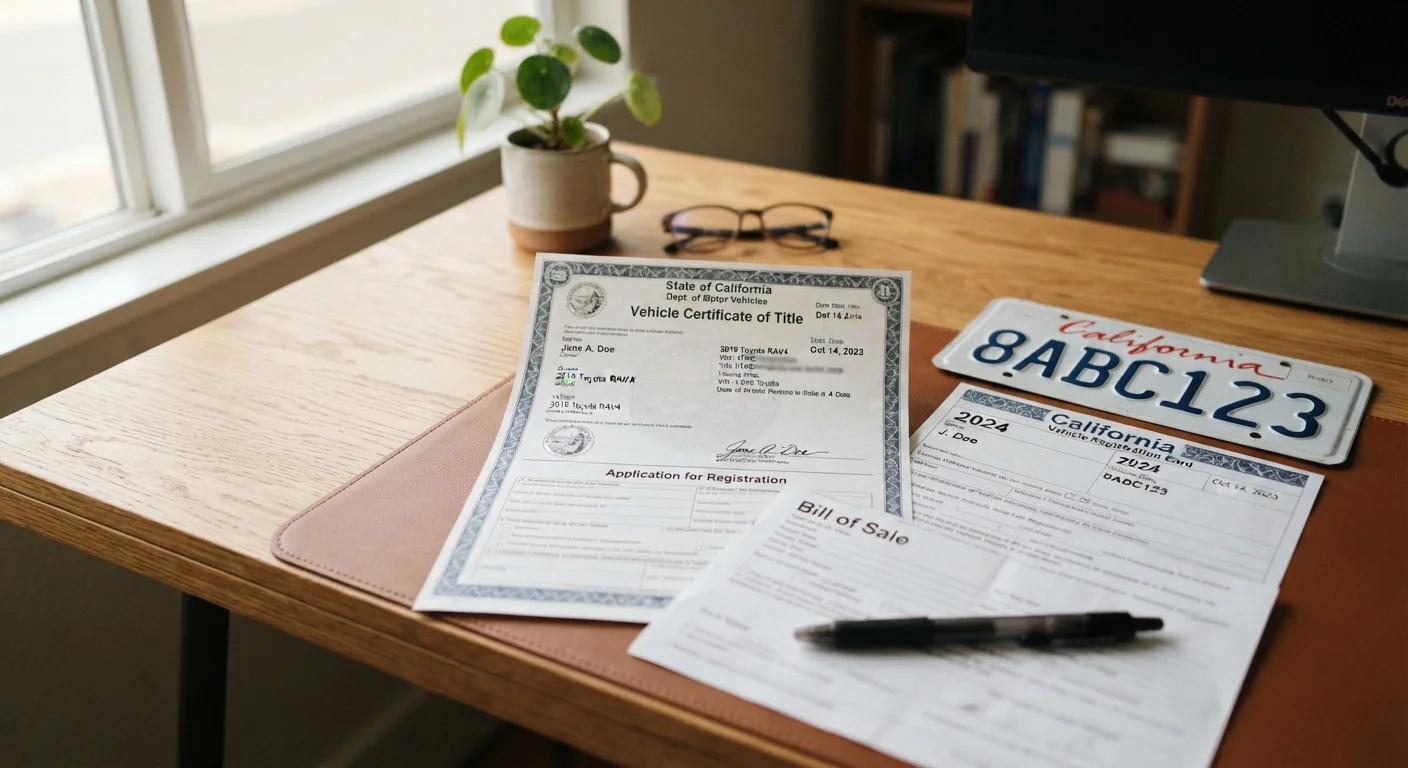
Photo credit: ArticlesHaven.net
In this article
A reference guide to vehicle registration, title transfers, and license plates—what each document means and when you need it.
Three Documents, Three Different Jobs
Most car owners carry registration paperwork in their glove box without fully understanding what it covers - or how it differs from the title or the license plate. These three documents are related but serve distinct legal purposes, and confusing them can lead to real problems when buying, selling, or renewing.
| Document: Title | Proof of legal ownership; required to buy or sell |
| Document: Registration | Annual state permit to operate on public roads |
| Document: License Plate | Physical identifier tied to registration; usually stays with owner |
| Title Transfer Window | Typically 10-30 days after purchase (varies by state) |
| Who Issues These? | State DMV or equivalent motor vehicle agency |
| Registration Renewal | Usually annual; some states offer multi-year options |
The title is the legal proof of ownership. It names who owns the vehicle outright or, if there's a loan, who holds a lien on it. The registration is your state's permission to operate the vehicle on public roads - it has an expiration date and must be renewed. The license plate is the visible identifier tied to your registration, assigned by your state's motor vehicle agency.
See what new owners should have in order when they leave the dealership for a broader look at the full ownership checklist.
The Title: Proof of Who Owns the Car
A vehicle title is issued by your state's Department of Motor Vehicles (or equivalent agency) and records the legal owner's name, the vehicle identification number (VIN), make, model, year, and any lienholder. When you finance a vehicle, the lender is typically listed on the title until the loan is paid off - at which point they release the lien and you receive a clean title.
Vehicle Title
A legal document issued by a state agency that names the owner of a vehicle. It also records any lienholder (such as a lender) and is required to transfer ownership when a car is sold.
Lien
A legal claim on a vehicle held by a lender until a loan is fully repaid. A lienholder is listed on the title and must release the lien before a clean title is issued to the owner.
Vehicle Registration
A state-issued document granting permission to operate a vehicle on public roads. Registration must be renewed periodically and is linked to insurance, inspections, and fee payments.
Salvage Title
A branded title issued when an insurance company has declared a vehicle a total loss due to damage or theft. Vehicles with salvage titles may have restrictions on registration and resale.
VIN (Vehicle Identification Number)
A unique 17-character code assigned to every motor vehicle. It identifies the specific vehicle across title, registration, insurance, and recall records.
Title Transfer
The legal process of changing ownership on a vehicle title from seller to buyer. Requires the seller's signature and submission to the state DMV, typically within a deadline set by state law.
When you buy a used vehicle from a private seller, the seller must sign the back of the title to transfer ownership. You then submit that signed title to your state DMV, usually within a required window (commonly 10-30 days, but this varies by state), along with applicable transfer fees and taxes.
If the title is lost, most states allow the owner of record to apply for a duplicate. Keep in mind that buying a vehicle without a title - or with a salvage, rebuilt, or branded title - carries meaningful risks. Out-of-state purchases add an extra layer of title complexity, since you may need to apply for a new title in your home state within a set timeframe.
Registration: Annual Permission to Drive
Registration is the ongoing relationship between you, your vehicle, and your state. It's renewed periodically - annually in most states, though some offer multi-year options - and the fee is typically based on factors like vehicle age, weight, or value. Driving with expired registration can result in a traffic citation.
10-30 days
Typical title transfer deadline after purchase
Most states require buyers to submit a signed title to the DMV within this window; late filing can result in penalties.
50 states
Each with its own registration and title rules
Requirements for fees, inspections, emissions testing, and renewal cycles vary significantly from state to state.
~43 states
States that tie plates to the owner, not the vehicle
In most U.S. states, license plates remain with the registered owner when a vehicle is sold; a minority of states do it differently.
To register a vehicle, you'll generally need proof of insurance, the title (or lienholder information), a passing emissions or safety inspection (where required), and payment of applicable fees. Dealers often handle initial registration on new car purchases, but private-party buyers typically manage it themselves.
Registration fees are one of the ownership costs that surprise first-time buyers. See the full breakdown of costs that don't show up in monthly payment estimates. Renewal notices are typically mailed to the address on file, so keeping your DMV records current matters more than most people realize.
License Plates: What They Signal and When They Change
Your license plate is tied to your registration - in most states, plates stay with the owner when a vehicle is sold, not with the car. That means a seller removes their plates when transferring a vehicle, and the buyer applies for new plates when registering in their name. A handful of states do tie plates to the vehicle rather than the owner; check your state's rules before assuming.
Plates in Private Sales: Remove Before Handing Over the Keys
In most states, if you sell a vehicle to a private buyer, you're responsible for removing your license plates before the transaction is complete. The buyer will need a temporary permit to drive the vehicle until they register it in their name. Leaving your plates on a sold vehicle can create liability issues if the new owner gets a ticket or is involved in an incident before re-registering.
Specialty and personalized plates are available in most states for an additional fee. They're purely cosmetic and carry no different legal status, though some specialty plates fund specific programs.
The sticker or tab affixed to your plate corner typically represents your registration renewal - it's how law enforcement and automated systems quickly identify whether a vehicle's registration is current. Losing or damaging your plate generally requires a replacement application through your DMV. For a broader look at how registration fits into the car-buying timeline, see the full car-buying timeline.

Author
Articles Haven Editorial Contributor
Articles Haven Editorial Team is the collective byline for our editorial team and contributor network. Articles published under this byline or an editorial pen name are researched, written, and reviewed according to our editorial standards for clarity, consistency, and independence before publication.
View all articles →