
The Full Timeline of Buying a Car: From Research to Keys in Hand
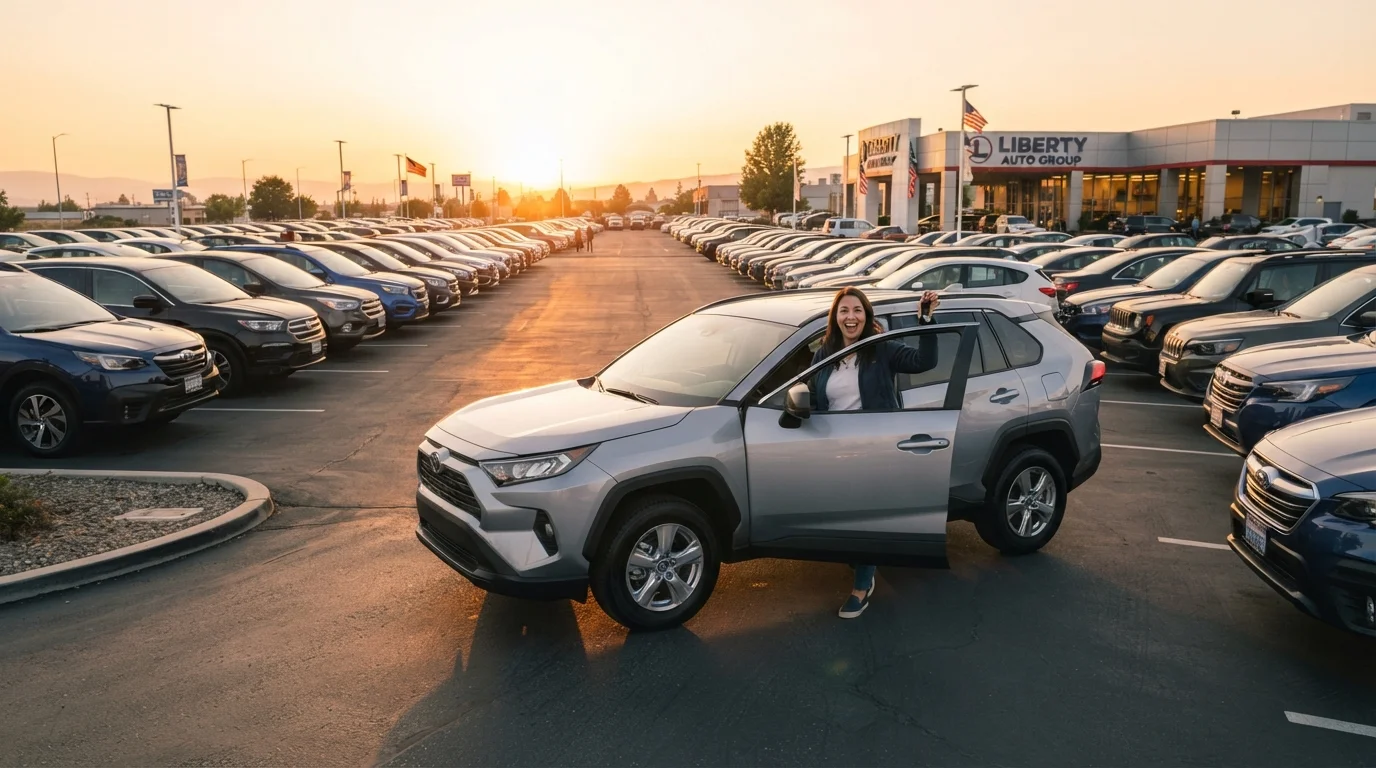
Photo credit: ArticlesHaven.net
A practical walkthrough of every stage in the car-buying process, so you know what to expect and when to act at each step.
Key Takeaways
- The car-buying process typically spans two to eight weeks depending on preparation and financing complexity.
- Separating research, financing, and negotiation phases helps you avoid rushed decisions at the dealership.
- Pre-approval from a bank or credit union gives you a concrete benchmark before evaluating dealer financing.
- Test drives, inspection reports, and title checks are non-negotiable steps regardless of purchase path.
- Knowing exactly what to bring on signing day reduces delays - see the dealership checklist linked in this article.
Why the Car-Buying Timeline Matters
Most people who regret a car purchase cite the same cause: they rushed. Either they walked into a dealership before knowing what they wanted, agreed to financing terms they didn't fully understand, or skipped steps - like an independent inspection - to close faster. The car-buying process has a natural sequence for good reason. Each stage builds on the last, and shortcuts typically create problems that surface after the paperwork is signed.
The typical timeline runs two to eight weeks. First-time buyers and those with more complex financing situations tend toward the longer end. Someone who has done it before, knows the vehicle type they want, and already has financing in order can move faster - but even then, rushing the inspection or negotiation phase rarely pays off. This guide walks through each stage so you can approach it with a clear sense of what's coming and when to slow down.
What you will need
For a full reference on the terminology you'll encounter from pre-approval through final signing, the Car Buying Glossary is worth bookmarking before you start. The Shopping Smarter hub also offers broader consumer frameworks that apply equally well to major purchases like this one.
Step-by-Step: From Research to Keys in Hand
Get Pre-Approved Before You Shop
Applying for auto loan pre-approval at your bank or credit union before visiting any dealership gives you two advantages: you know exactly what interest rate and monthly payment you qualify for, and you have a concrete offer to compare against any dealer financing. Pre-approval does not obligate you to use that lender - it simply strengthens your position. Multiple pre-approval applications within a short window (typically 14-45 days) are usually treated as a single inquiry on your credit report.
Define Your Needs and Set a Realistic Budget
Before looking at a single vehicle, answer two questions honestly: what do you actually need this car to do, and what can you afford total - not just monthly? Consider seating capacity, cargo space, commute length, and whether you'll be driving in snow or hauling anything regularly. On the budget side, factor in insurance, registration, fuel, and maintenance costs, not just the loan payment. The Car Ownership hub has a useful breakdown of ongoing ownership costs to include in your estimates.
Research Vehicle Types and Narrow to a Short List
Compare body styles - sedan, SUV, truck, hatchback - and decide whether new, certified pre-owned (CPO), or used fits your situation. New vehicles carry full warranties and current safety features but depreciate fastest in the first few years. CPO programs offer manufacturer-backed inspections and extended warranties on used inventory. A straight used purchase typically offers the lowest entry price but carries more uncertainty. If you're working with a tight budget and limited credit history, the car buying guide for students addresses realistic constraints worth reading regardless of your age.
Narrow your list to two or three models before visiting any lot. Consumer research and reliability data from independent sources can help you compare ownership histories across model years.
Arrange Financing Before Visiting Dealers
Contact your bank or credit union and apply for auto loan pre-approval. This process involves a hard credit inquiry but gives you a written offer - including rate, term, and maximum loan amount - to bring to the dealership. Dealer financing can sometimes beat outside offers, especially on new vehicles, but you won't know if you don't have a benchmark. Review your credit report first and dispute any errors; even modest credit score improvements can affect the rate you're offered.
Test Drive and Inspect Candidates
Schedule test drives for each vehicle on your short list, ideally covering a mix of city and highway conditions. For used vehicles, request a vehicle history report and arrange an independent pre-purchase inspection with a mechanic you choose - not one recommended by the seller. Pay attention to how the vehicle handles, brakes, and accelerates, and check that all features work as expected. If anything feels off, that's information worth acting on.
Negotiate the Purchase Price
Once you've identified the vehicle you want, negotiate the out-the-door price - the total you'll pay including taxes, registration, and dealer fees - before discussing financing or trade-in value. Research what comparable vehicles are selling for in your area so you enter the conversation with context. Keep trade-in negotiation separate from the purchase price negotiation; mixing them gives the dealer more variables to obscure the real numbers.
[warning_callout]Review Financing Options and Finalize the Loan
Once the purchase price is agreed upon, compare the dealer's financing offer against your pre-approved rate. Look at the annual percentage rate (APR), loan term, and total interest paid over the life of the loan - not just the monthly payment. If the dealer offers manufacturer-subsidized rates on new vehicles, those can sometimes be lower than outside options. Be cautious about add-ons pitched in the finance office (extended warranties, gap insurance, paint protection) - each increases your financed amount and should be evaluated independently on its actual merit and cost.
Complete Paperwork and Take Delivery
Before signing day, gather everything you'll need. The dealership checklist article covers the specific documents and preparation steps to complete before you sit at the sales desk. Read every document before signing - particularly the financing agreement - and confirm the final numbers match what was negotiated. After signing, review the vehicle one more time for any damage noted during the handover, and confirm you've received all keys, manuals, and any promised accessories.
Don't Skip the Pre-Purchase Inspection
For any used vehicle - whether purchased from a private seller or a dealer - an independent pre-purchase inspection (PPI) by a qualified mechanic is strongly advisable before you sign anything. A PPI typically costs $100-$200 and can surface hidden mechanical issues that no vehicle history report will show. Skipping this step to save time or money has cost many buyers far more in repairs shortly after purchase.
Credit Report
Lets you spot errors and understand what loan terms you're likely to qualify for before lenders run their checks.
Auto Loan Pre-Approval Letter
Provides a baseline financing offer you can compare against dealer financing at the point of sale.
Vehicle History Report
Reveals prior accidents, title issues, odometer discrepancies, and service records for used vehicles.
Independent Mechanic (Pre-Purchase Inspection)
Assesses the mechanical condition of a used vehicle before you commit to purchase.
Auto Loan Calculator
Helps you model how different loan terms, interest rates, and down payments affect your monthly payment and total cost.

Author
Articles Haven Editorial Contributor
Articles Haven Editorial Team is the collective byline for our editorial team and contributor network. Articles published under this byline or an editorial pen name are researched, written, and reviewed according to our editorial standards for clarity, consistency, and independence before publication.
View all articles →