
The End-of-Lease Decision: Buy, Return, or Start Over
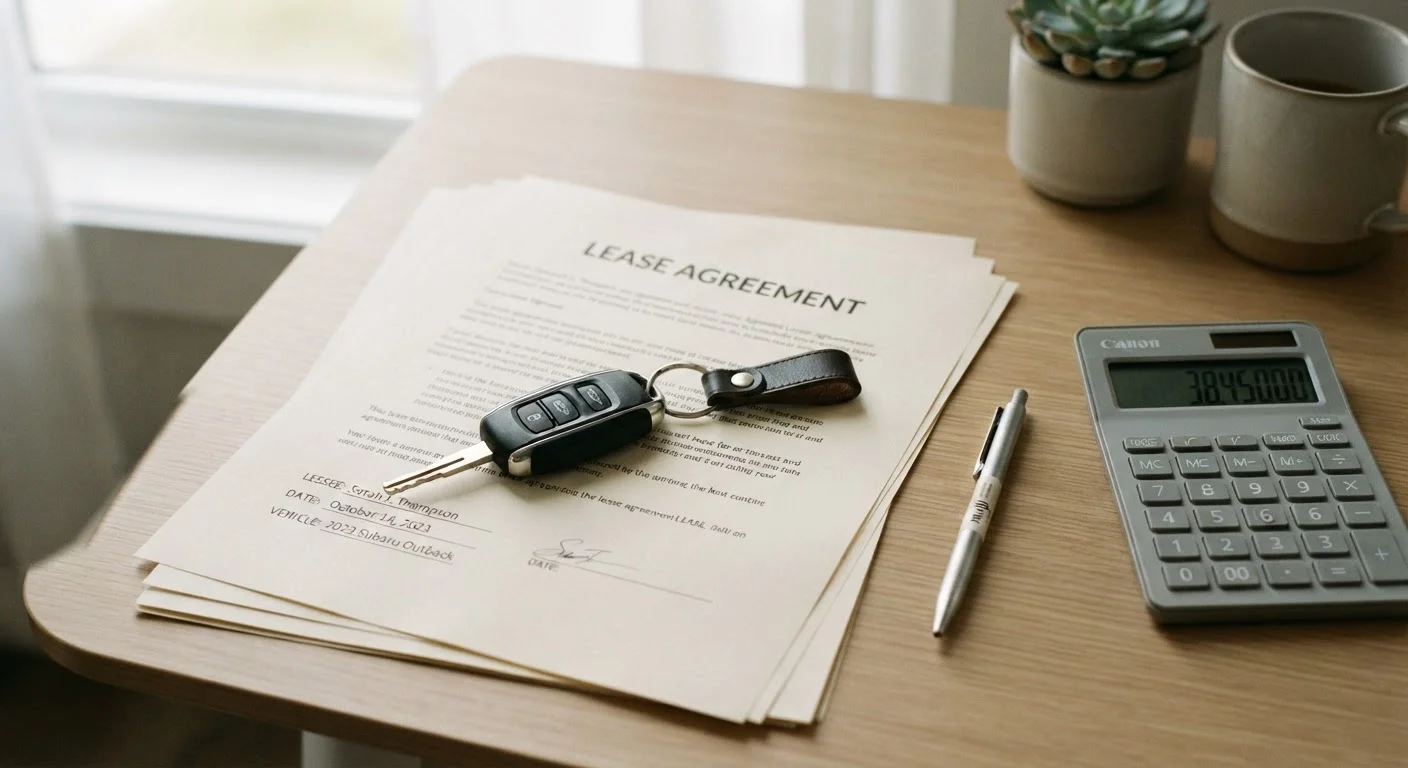
Photo credit: ArticlesHaven.net
In this article
When your lease ends, you have real choices. Here's how to evaluate whether buying out, returning, or re-leasing makes the most sense.
Key Takeaways
- Your lease contract already sets the buyout price; compare it to current market value before deciding.
- Returning the vehicle avoids ownership costs but may trigger wear-and-tear or mileage fees.
- Re-leasing or switching vehicles resets your monthly payment cycle without a large upfront purchase.
- Current market conditions - especially used-car prices - can tilt the math significantly in either direction.
- Review your lease agreement at least 60 days before the end date to avoid being rushed into a decision.
What You're Actually Deciding
When a lease term wraps up - typically after 24 to 48 months - you're not just handing back keys. You're choosing between three financially distinct paths: buying the vehicle at a pre-set price, returning it and walking away, or signing a new lease on a different vehicle. Each path carries its own cost profile and set of trade-offs.
The core challenge is that the decision has to be made quickly, often under time pressure from the dealership. Understanding the structure of each option in advance puts you in a much stronger position. For a broader look at how leasing fits into the overall vehicle-ownership picture, see this comparison of buying new, used, and leasing.
| Lease Buyout | Return the Vehicle | Re-Lease / Start Over | |
|---|---|---|---|
| Upfront cost | Financing or full purchase price | Disposition + end-of-lease fees | First payment, taxes, fees |
| Monthly obligation going forward | Loan payment or none (if paid cash) | None | New lease payment |
| Equity built | Yes - you own the asset | None | None |
| Exposure to market fluctuation | Locked in at residual price | None after return | Depends on new lease terms |
| Vehicle familiarity | High - you know its history | Ends at return | Low - new vehicle |
| Access to latest features | No - same vehicle | Only if you buy/lease new | Yes - latest model available |
| Best when | Market value exceeds residual | Car no longer fits needs | Prefer cycling vehicles regularly |
The Buyout Option: When It Makes Sense
Every lease includes a residual value - the price the leasing company estimated the vehicle would be worth at lease end. That's typically what you'd pay to buy it outright. The appeal: you already know the car's history, and you avoid the hassle of shopping for a replacement.
The buyout makes the most financial sense when the vehicle's actual market value exceeds the residual price in your contract. This situation arose frequently during the used-car price surge of the early 2020s. In more normal markets, the residual often closely tracks or slightly exceeds retail value, making buyouts less obviously advantageous.
Check Market Value Before Agreeing to Anything
Before accepting or declining the buyout, look up the vehicle's current private-party and dealer retail values using widely available used-car pricing tools. If the residual in your contract is below current market value, that gap represents real, tangible value - you could buy the car and resell it for more. If the residual is above market, the buyout is less compelling and returning or re-leasing deserves more weight.
Also factor in that you'll need financing (or cash) to complete the purchase, and that you'll move from lease payments to loan payments - or full ownership costs. For a detailed look at how those numbers compare over time, the side-by-side financial comparison of leasing vs. buying lays it out clearly.
Returning the Vehicle: The Clean Break
Returning the car to the dealer is the default path if you take no action. You settle any end-of-lease charges and you're done. Potential costs to anticipate include:
- Excess mileage fees: Typically billed per mile over your contracted limit, often $0.15-$0.25 per mile.
- Wear-and-tear charges: Dings, tire wear, or interior damage beyond what the lease defines as normal.
- Disposition fee: Many leases include a flat fee (often $300-$500) charged at return if you don't lease or buy through the same brand.
If the vehicle has been expensive to maintain, doesn't fit your current needs, or the buyout price is simply higher than comparable vehicles on the market, returning is a rational choice. Just audit the car carefully before the inspection - addressing minor cosmetic issues yourself beforehand can sometimes be cheaper than letting the lessor assess them.
Don't Skip the Pre-Return Inspection
Most lessors offer a pre-return inspection - often at no charge - weeks before the official turn-in date. Use it. Identifying disputed wear items in advance gives you time to address them or negotiate, rather than receiving an unexpected bill weeks after handing over the keys. Small cosmetic repairs done independently are often less costly than the per-item charges assessed by the leasing company.
Starting Over: Re-Leasing or Switching
Re-leasing - whether the same model or a new one - resets the cycle. You get a freshly warranted vehicle, potentially updated safety features, and another fixed-term monthly payment. For people who lease primarily to avoid maintenance surprises or to access newer technology every few years, this path is consistent with their original rationale for leasing in the first place.
The downside: you're perpetually in a payment cycle with no equity building. If your financial goals have shifted toward reducing monthly obligations or building an asset, re-leasing works against that. Common misconceptions about leasing covers why "always leasing is always cheaper" is a myth worth examining carefully before defaulting to another lease.
Before signing a new lease, review the total cost of ownership on any vehicle you're considering - not just the monthly number. Evaluating total cost of ownership can help you make that comparison more accurately.
~30%
Lease returns that become buyouts
Industry estimates have historically suggested roughly a quarter to a third of lease customers purchase their vehicle at term end, though this rate shifts with market conditions.
$0.15-$0.25
Typical per-mile excess mileage fee
Most lease contracts specify this range; fees accumulate quickly on long commutes and can significantly affect the true cost of returning a vehicle.
How to Evaluate Your Specific Situation
No formula works for everyone, but a practical evaluation comes down to three checks:
- Compare the residual to market value. Look up your vehicle on several used-car pricing references. If the buyout price is lower than what comparable vehicles are selling for privately, the buyout has real value.
- Calculate end-of-lease fees. Tally any projected mileage overages, wear charges, and the disposition fee. This is the true cost of simply returning the car.
- Price the alternatives. Get quotes on a comparable new lease and the financing cost of a purchase before you're sitting at the dealership. Going in with real numbers prevents rushed decisions.
For ongoing guidance on managing the costs of car ownership after you've made your decision, it helps to understand what changes once you own - not just lease - a vehicle. And if you want a broader consumer decision framework, shopping smarter strategies applies well beyond auto purchases.

Author
Articles Haven Editorial Contributor
Articles Haven Editorial Team is the collective byline for our editorial team and contributor network. Articles published under this byline or an editorial pen name are researched, written, and reviewed according to our editorial standards for clarity, consistency, and independence before publication.
View all articles →