
Planning a Trip Around a Major Event or Festival
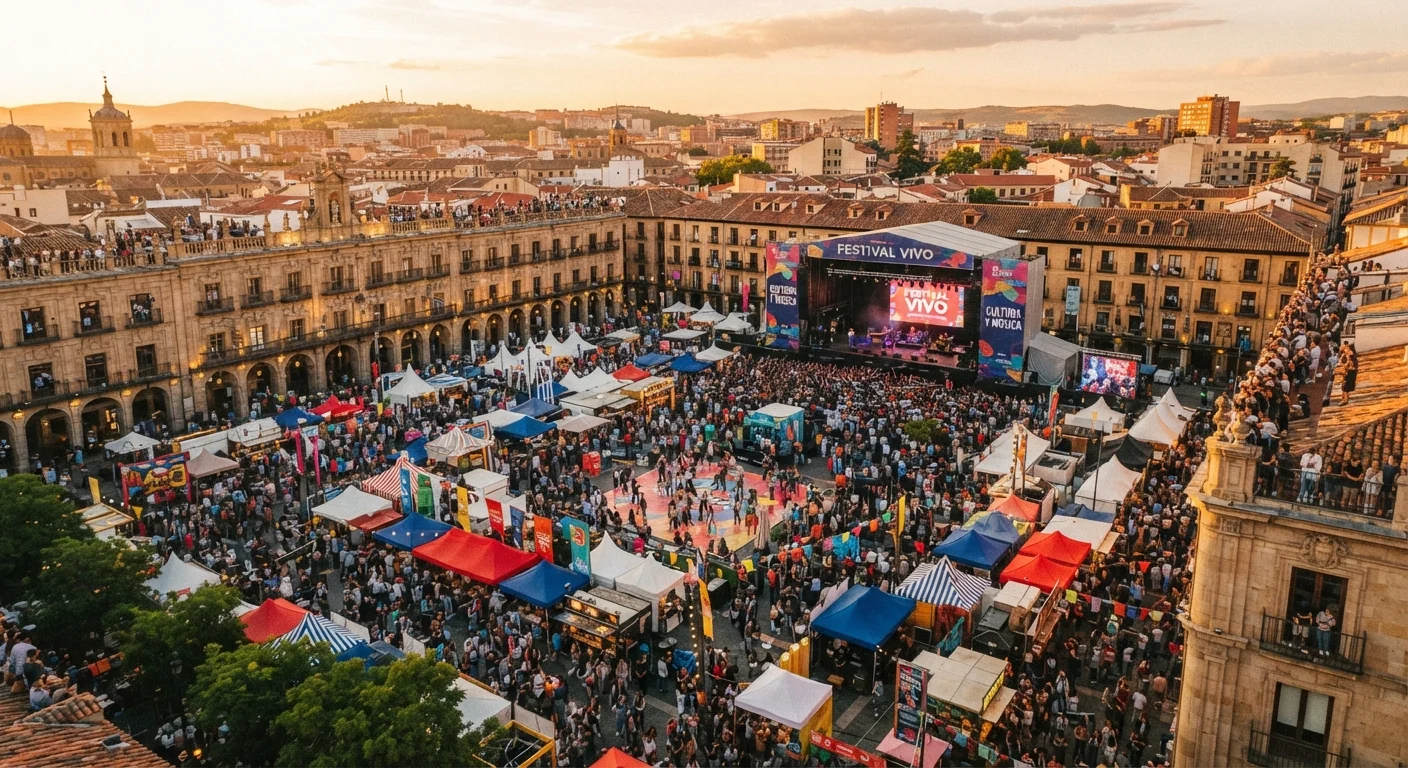
Photo credit: ArticlesHaven.net
In this article
Event-driven travel adds purpose to a trip but requires different logistics. What to consider when timing your visit around festivals, races, or cultural events.
Key Takeaways
- Event-driven trips require booking accommodations and transport significantly earlier than standard travel.
- Prices for flights and hotels routinely spike during major events - budget accordingly.
- Having a backup plan for sold-out events or unexpected cancellations protects your trip investment.
- Arriving a day early and leaving a day late reduces logistical pressure around peak event days.
- Research crowd levels, local transport, and entry logistics before committing to event dates.
Why Event Travel Requires a Different Planning Approach
Traveling to a destination during a major event - whether a music festival, international sporting competition, cultural celebration, or seasonal fair - adds a compelling anchor to a trip. But it also compresses timelines, concentrates demand, and introduces variables that don't exist on a standard leisure trip.
The biggest shift is lead time. Standard leisure travel often allows flexible booking windows, but event travel rewards early movers. Accommodation and flight inventory shrinks faster, prices are less predictable, and last-minute alternatives are genuinely limited. This isn't a reason to avoid event-driven travel; it's a reason to approach it with a clearer process.
The logistics also work differently on the ground. Transit networks strain, roads congest, and local services scale up to meet demand in uneven ways. Understanding this before you arrive - rather than during - is the practical difference between a smooth trip and a frustrating one.
What you will need
Official event website
Confirm dates, ticketing, venue details, and any entry requirements specific to the event.
Flight and hotel price tracking tools
Monitor fare and rate trends so you can identify when prices spike relative to the event window.
Travel insurance policy
Provides financial protection if the event is canceled, postponed, or travel plans fall through.
Local transit map or app
Plan travel to and from event venues, especially when roads are likely to be congested.
Currency or payment information
Understand local payment norms, especially at outdoor festival vendors who may not accept cards.
How to Plan Your Event Trip Step by Step
Verify Official Event Details Before Booking
Event dates, venues, and formats can change - especially for large festivals that have been rescheduled in recent years. Always confirm dates and ticket availability from the event's official website or a government tourism source before purchasing non-refundable travel. Booking based on rumors or unofficial announcements is one of the most common and costly mistakes in event travel.
Confirm the event details from an official source
Before any booking happens, lock down the event dates, venue location, and ticketing status directly from the organizer's official website or a recognized government tourism body. Note whether tickets are already on sale, what categories exist (single-day, multi-day, VIP), and whether the event has historically sold out.
Build your travel window around - not just on - the event dates
Arriving the day before and departing the day after gives you a meaningful buffer. Peak arrival and departure days (the first and last day of a major event) typically see the worst traffic, transport delays, and price surges. A slightly wider window also lets you experience the destination beyond the event itself.
Research accommodation options and book early
For well-known events - major music festivals, championship sporting events, large cultural celebrations - hotels within a reasonable radius can sell out six months to a year in advance. Expand your search radius and compare options across different neighborhood zones. Consider whether short-term rentals offer better value for longer stays or larger groups.
Price out flights with the event window in mind
Flights into a destination for a major event behave differently from standard travel. Fares can spike sharply as the event approaches and seat availability tightens weeks or months out. Use fare-tracking tools to understand the price trend, and consider whether flying into a nearby alternate airport - with a short ground transfer - offers a meaningful saving.
Plan event-day logistics separately from general sightseeing
Event days have their own rhythm. Map out how you'll get to the venue, what the entry process involves, where bag or coat check is located, and how you'll get back at the end. For large events, public transit is usually faster and cheaper than rideshares, which surge-price heavily during peak departures. Check if the event provides any official shuttle or transit partnerships.
Build in a contingency plan
What happens if the event is postponed, tickets sell out before you can secure them, or your travel is disrupted? Identify in advance: which bookings are refundable, what your travel insurance covers, and what else the destination offers if the event falls through. A trip built around a single event is fragile - having a secondary plan makes it resilient. See the itinerary planning guide for structuring a flexible schedule.
Search Accommodations by Zone, Not Just Price
During major events, properties close to the venue often sell out or charge a steep premium. Staying a few transit stops away can cut accommodation costs significantly while still keeping you within easy reach. Research the local transit network before deciding where to stay - a 20-minute train ride often beats a 45-minute traffic crawl from a 'nearby' hotel.
Budgeting Honestly for Event Travel
Event-period travel costs more than the same trip at a quieter time. Flights, accommodation, and sometimes local transport all carry a premium that can range from modest to substantial depending on the event's scale and the destination's capacity. Factor this in from the start rather than anchoring your budget to off-peak rates.
Tickets for the event itself are a separate line item that many travelers underestimate. Beyond face value, service fees, currency conversion, and secondary-market pricing (if primary tickets are sold out) all affect the real cost. For events with tiered ticketing, decide early which tier fits your goals - upgrading later in the process is rarely cost-effective.
If you're working with a fixed number of vacation days, the fixed-schedule travel guide offers practical strategies for making constrained time work harder without overspending.
Non-Refundable Bookings Carry Real Risk
Event travel tempts travelers to lock in non-refundable rates early to secure low prices. But if an event is canceled, postponed, or your schedule changes, you may have limited recourse. Consider travel insurance that covers event cancellation and read cancellation policies carefully before committing. Check what your credit card offers in terms of trip protection as well.
Travel conditions, event schedules, prices, and entry requirements can change. Always verify details directly with official sources and your travel provider before booking. This article is for general informational purposes only and does not constitute travel, financial, or legal advice.

Author
Articles Haven Editorial Contributor
Articles Haven Editorial Team is the collective byline for our editorial team and contributor network. Articles published under this byline or an editorial pen name are researched, written, and reviewed according to our editorial standards for clarity, consistency, and independence before publication.
View all articles →