
Family Travel Destinations: What Makes a Place Genuinely Kid-Friendly
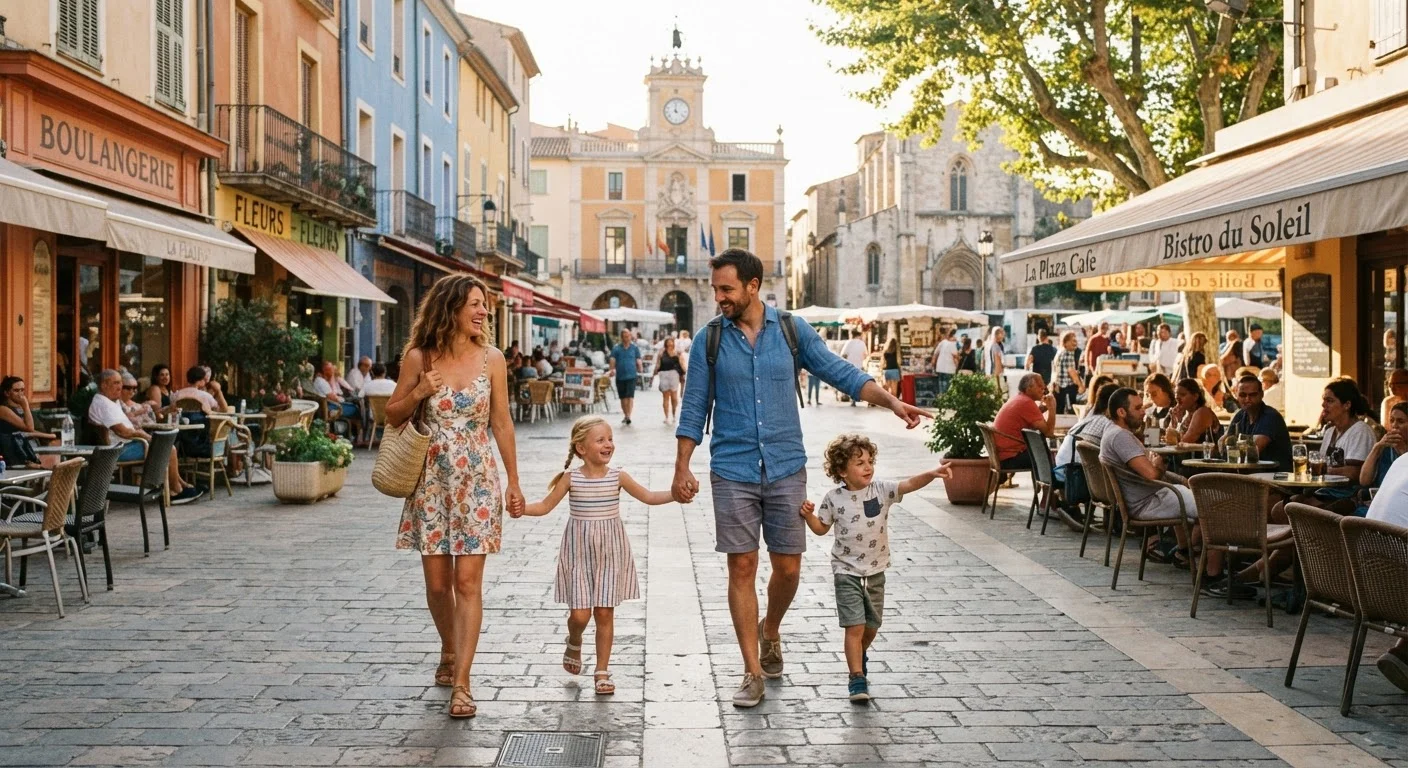
Photo credit: ArticlesHaven.net
In this article
"Kid-friendly" means more than theme parks. Understand the logistics, pacing, and infrastructure that actually make a destination work for families.
Key Takeaways
- Kid-friendly is about logistics and infrastructure, not just attractions.
- Pacing matters more than the number of activities on the itinerary.
- Accessible transportation and walkability significantly reduce family travel stress.
- Medical facility availability is a practical safety consideration often overlooked.
- Seasonality affects crowds, costs, and activity availability for families.
- Your children's ages and temperaments should shape destination criteria.
Why the Standard 'Family-Friendly' Label Doesn't Tell You Much
Travel sites and tourism boards hand out the "family-friendly" label liberally. It can mean a resort has a pool, or that a city has a children's museum - neither of which tells you whether the place actually works for your family on a day-to-day logistical level.
The more useful question isn't what is there to do? It's how hard is it to move around, eat, rest, and recover when something goes sideways? Destinations that score well on those dimensions tend to produce much smoother family trips than places that are famous for kid attractions but frustrating to navigate.
Traveling with children requires different planning criteria than adult-only trips, starting with how you evaluate a destination in the first place.
~60%
Families who say logistics affect trip satisfaction most
Surveys of family travelers consistently find that transportation ease and accommodation quality outrank attraction access as satisfaction drivers, according to travel industry research compilations.
2-3x
Cost difference between peak and shoulder season
Accommodation and flight pricing can vary significantly between peak summer travel weeks and shoulder season, with family-sized units often seeing the largest swings.
1 in 4
Family trips cut short or disrupted by illness
Travel health organizations estimate that a significant share of family trips involve at least one illness-related disruption, underscoring the importance of knowing local medical resources in advance.
The Infrastructure Factors That Actually Matter
When evaluating a destination for family travel, these practical dimensions deserve more weight than most travelers give them:
- Walkability and transit: A compact, walkable city center - or a destination with reliable, easy-to-navigate public transit - dramatically reduces the friction of traveling with children. Renting a car is one option, but navigating unfamiliar roads in a new place with tired kids in the back is its own challenge.
- Accommodation layout: A single hotel room is often workable for one or two adults, but families need space - separate sleeping areas, in-room kitchen access, or suite configurations. Confirm what "family room" means before booking; it varies widely.
- Food flexibility: Destinations where restaurants open early, serve simple options, and don't require advance reservations for every meal are substantially easier to manage. Some popular culinary destinations have dining cultures (late hours, formal service expectations) that don't align well with young children's schedules.
- Medical access: Not glamorous, but critical. Knowing where the nearest clinic, urgent care, or pediatric-capable hospital is located is a basic planning step - especially if anyone in your group has a chronic condition or allergy.
Check the Stroller and Mobility Situation First
Before finalizing a destination, look up whether the old town, key neighborhoods, or main attractions are stroller-accessible. Cobblestone historic districts, steep hillside towns, and certain transit systems are genuinely difficult to navigate with young children or mobility aids. Tourism board websites and recent family travel forums are reliable places to find this detail.
Pacing: The Variable Most Families Underestimate
The number-one driver of family travel stress isn't the destination - it's the itinerary. Families consistently overbook days, especially when facing the sunk cost of a long flight or expensive hotel. The result is exhaustion, meltdowns, and a trip that feels like work.
A destination that supports genuine pacing - where it's easy to slow down, revisit a spot, or spend an afternoon doing nothing structured - is worth more than one packed with must-see attractions. Look for places where accommodation is central to activities, where there are low-key fallback options (a park, a beach, a neighborhood to wander), and where the schedule doesn't depend on timed entry windows and transport connections.
Building a realistic itinerary means accounting for transition time, rest days, and buffer - all of which matter even more when children are involved.
How Season and Budget Shape Your Options
Timing and budget aren't separate from destination choice - they're part of it. A destination that works well for a family in shoulder season may be genuinely unpleasant in peak summer: long lines, double the cost, and crowds that make navigating with a stroller or a six-year-old miserable.
Shoulder season travel - typically spring and early fall for most North American and European destinations - tends to offer a better balance of open attractions, manageable crowds, and lower accommodation prices. That said, verify what's actually operating during the period you're considering. School holiday timing varies internationally, so "off-peak" from a US perspective may still coincide with busy local seasons elsewhere.
Budget also affects which destination characteristics are accessible to you. A higher-cost destination can sometimes be made manageable with the right accommodation choice (apartment rentals with kitchen access reduce dining costs significantly). Conversely, a nominally affordable destination may carry hidden costs if transit is poor and taxis or rideshares are the only realistic option.
For families weighing a trip with other adults or extended family, choosing a destination for group travel adds another layer of criteria worth thinking through early.
“The best family trip isn't the one with the most to do - it's the one where everyone, including the parents, actually has the energy to be present.”
— Family Travel Association, Industry organization focused on family travel research and advocacy
Matching the Destination to Your Specific Kids
"Families" aren't a monolith. A destination that's ideal for a family with tweens - involving hiking, longer days, and more complex cultural engagement - may be genuinely difficult with a toddler or infant in tow. Age, temperament, and your children's specific interests should shape destination criteria as much as any general framework.
Some useful questions to work through before committing to a destination:
- How long can your children realistically stay engaged in transit? (This affects how far a destination can be.)
- Are there age-appropriate activity options beyond the headline attractions?
- Is the destination forgiving of unpredictable schedules - or does it require advance booking and tight timing?
- How does the destination handle heat, rain, or other weather that might confine you indoors?
Before committing to any destination, thorough pre-trip research - including recent family traveler accounts - is one of the most reliable ways to surface the practical details that marketing materials leave out.
This article is for general informational purposes only. Entry requirements, travel advisories, health recommendations, and local conditions change. Always verify current information through official government and health authority sources before traveling.
Frequently Asked Questions

Author
Articles Haven Editorial Contributor
Articles Haven Editorial Team is the collective byline for our editorial team and contributor network. Articles published under this byline or an editorial pen name are researched, written, and reviewed according to our editorial standards for clarity, consistency, and independence before publication.
View all articles →