
Why Your ZIP Code Affects Your Insurance Rates
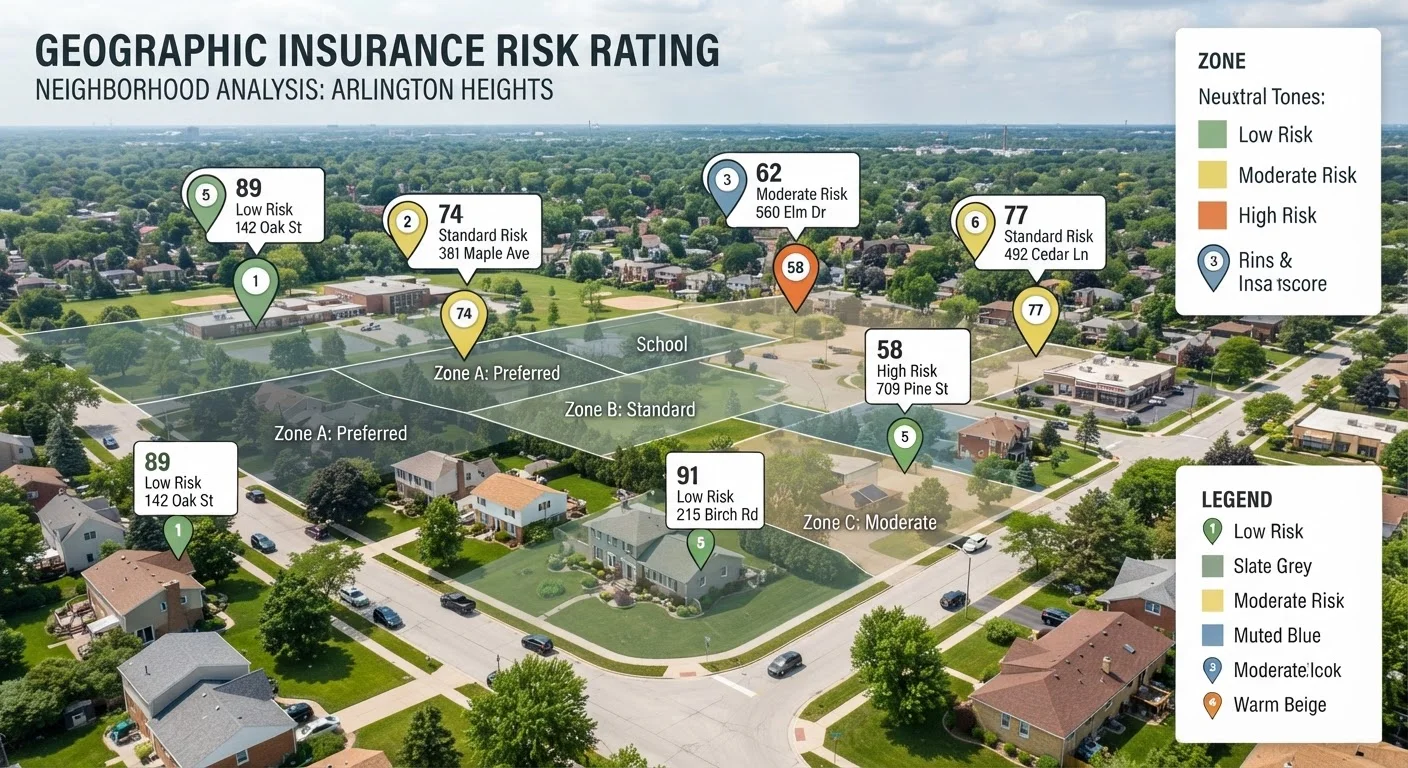
Photo credit: ArticlesHaven.net
In this article
Location influences premiums for auto, home, and health coverage. Learn the risk factors insurers weigh when rating by geography.
Key Takeaways
- Your ZIP code is a primary rating factor for auto, home, and health insurance premiums.
- Insurers use historical claims data by location to estimate the probability of future losses.
- Local risk factors include crime rates, weather patterns, population density, and healthcare costs.
- Moving even a short distance can meaningfully raise or lower your premium.
- State regulators review and must approve geographic rating territories and rate differentials.
- Understanding location-based pricing helps you anticipate costs when moving or shopping for coverage.
The Core Reason Location Drives Premiums
Insurance pricing is built on one foundational idea: estimating risk. Insurers collect decades of claims data and look for patterns - where do losses happen most often, and how severe are they? Geography turns out to be one of the most reliable predictors available. Two drivers with identical records can pay meaningfully different auto premiums simply because one lives in a dense urban corridor with heavy traffic and vehicle theft, while the other lives in a low-traffic rural county.
This isn't arbitrary. It reflects the statistical likelihood that your insurer will pay out a claim given where you park, sleep, or receive medical care. The full premium calculation incorporates many personal variables, but location is often one of the heaviest-weighted inputs from the start.
Up to 2x
Auto premium variation within one state
Insurance industry analyses have documented auto premiums doubling or more between high-risk urban territories and lower-risk rural territories within the same state, reflecting differences in claims frequency and severity.
~20%
Homeowners premium difference by risk zone
Properties in FEMA-designated high-hazard zones or state-defined wildfire risk tiers commonly carry homeowners premiums 15-25% higher than comparable properties outside those zones, according to insurance regulatory filings.
How ZIP Code Shapes Auto, Home, and Health Coverage
Auto insurance is where geographic rating is most visible. Insurers weigh local vehicle theft rates, accident frequency on nearby roads, the density of uninsured drivers in the area, and even how congested local traffic is. Urban ZIP codes tend to generate more collision and comprehensive claims per vehicle, which pushes premiums higher. For more detail on specific auto factors, see how car insurance premiums are calculated.
Homeowners insurance leans heavily on local weather exposure. A ZIP code in a hurricane-prone coastal region, a wildfire-risk zone, or a hail-corridor in the Great Plains carries elevated risk that insurers price into premiums - sometimes substantially. Local construction costs also matter: rebuilding the same house costs more in high-labor markets, so coverage limits (and premiums) reflect that.
Health insurance pricing on individual and small-group markets factors in local healthcare costs, provider availability, and regional utilization patterns. A ZIP code in an area with a high concentration of specialty care and expensive hospital systems will generally see higher plan premiums than a region with more price-competitive provider networks.
Get a Location-Specific Quote Before You Move
Before signing a lease or closing on a home, request insurance quotes using the prospective ZIP code. This applies to auto, homeowners or renters, and - if you're buying on the individual market - health coverage. A few minutes of comparison shopping with the right address can surface costs that meaningfully affect your budget.
What Specifically Insurers Are Measuring
Understanding which local signals matter helps you contextualize your bill. The most common location-based risk factors insurers analyze include:
- Crime rates - vehicle theft, vandalism, and burglary statistics directly affect auto and home claims frequency.
- Weather and natural hazard exposure - flood zones, wildfire risk maps, tornado frequency, and hurricane tracks are all actuarially weighted.
- Traffic density and accident data - high-volume corridors produce more collision claims per mile driven.
- Local repair and medical costs - the same fender-bender costs more to repair in a high-labor-cost metro, and the same injury costs more to treat in a high-cost hospital market.
- Litigation environment - states and counties with higher rates of large jury awards can inflate liability coverage costs.
When you change your address, you're effectively changing your insurer's entire risk calculation for the location-dependent inputs - which is why even a move across town can shift your premium noticeably.
Flood and Wildfire Risk May Require Separate Policies
Standard homeowners policies typically exclude flood damage and may limit wildfire coverage in designated high-risk areas. If your ZIP code is in a FEMA Special Flood Hazard Area or a state-classified wildfire risk zone, you may need a separate policy for those perils. Check your policy's exclusions and consult your insurer or a licensed agent about supplemental coverage options.
What This Means When You're Shopping or Moving
If you're comparing coverage or planning a move, location-based pricing is worth factoring in early. A home that looks affordable on paper can carry insurance costs that affect the real monthly budget - especially in wildfire or flood zones, where specialty coverage may be required on top of a standard homeowners policy.
When choosing a policy, request quotes using your actual prospective ZIP code rather than your current address. The difference can be significant enough to factor into a housing or relocation decision. Also check whether the destination state has any regulatory limits on geographic rating - some states cap how much location can influence rates, which affects how much weight this factor carries. For a broader look at how insurers assess risk overall, the underwriting process involves more variables than location alone.
This article provides general insurance education and is not personalized insurance, financial, or legal advice. Coverage terms, pricing factors, and regulations vary by insurer and state. Consult a licensed insurance agent or your state's insurance department for guidance specific to your situation.
Frequently Asked Questions

Author
Articles Haven Editorial Contributor
Articles Haven Editorial Team is the collective byline for our editorial team and contributor network. Articles published under this byline or an editorial pen name are researched, written, and reviewed according to our editorial standards for clarity, consistency, and independence before publication.
View all articles →