
How Subrogation Works and Why It Affects Your Claim
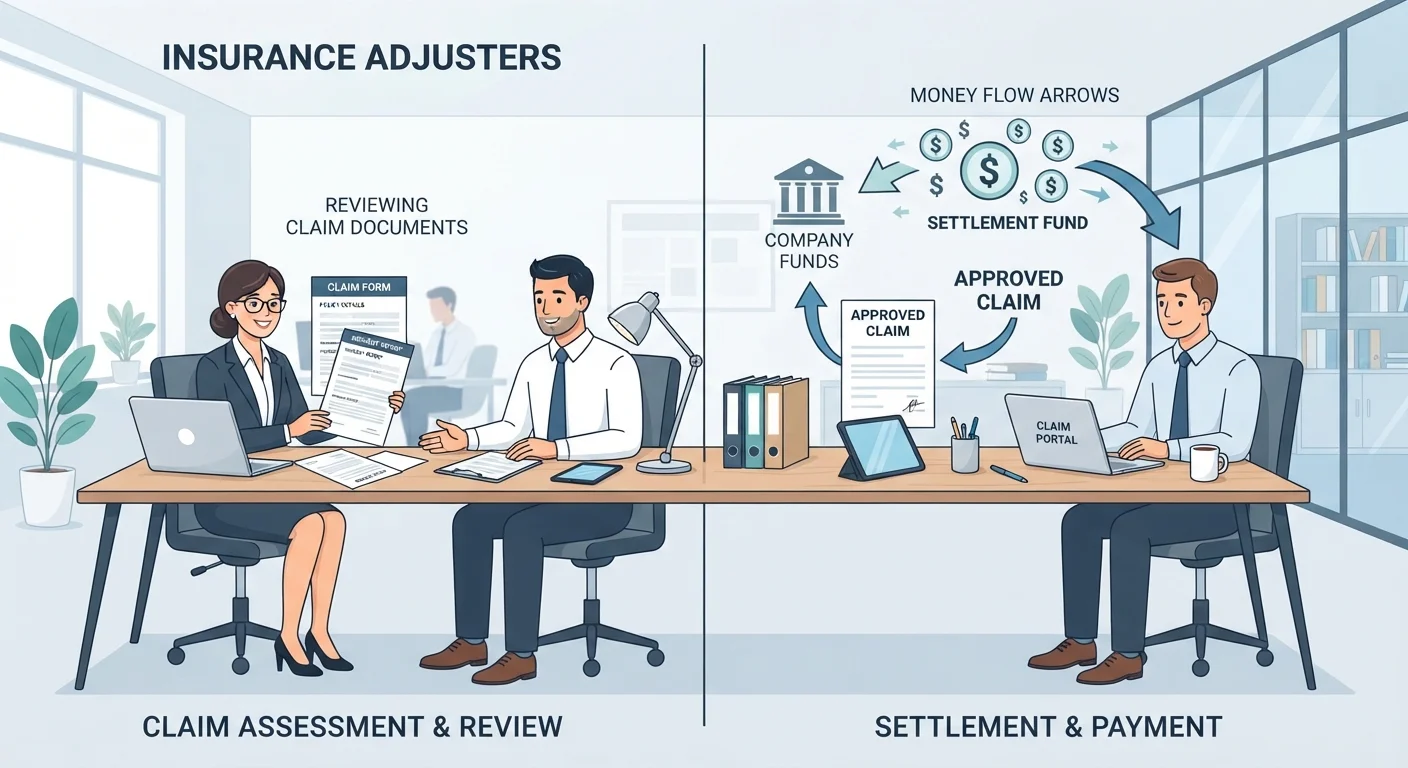
Photo credit: ArticlesHaven.net
In this article
Subrogation lets your insurer recover costs from a third party after paying your claim. Here's what that means for you as a policyholder.
Key Takeaways
- Subrogation lets your insurer recover claim costs from the party legally responsible for your loss.
- Your cooperation during the subrogation process is usually required by your policy.
- If subrogation succeeds, you may recover part or all of your deductible.
- Signing a release of liability before your insurer settles subrogation can waive your coverage.
- Subrogation applies across auto, health, homeowners, and other insurance types.
What Subrogation Actually Means in Plain Terms
When another party causes damage that your insurer pays for, your insurer doesn't simply absorb that cost. Instead, it has the legal right to pursue the responsible party for reimbursement - a process called subrogation. The word comes from Latin meaning "to substitute," and that's essentially what happens: your insurer legally steps into your position to recover money from whoever was at fault.
This matters for several reasons. First, it keeps your insurer's costs down, which in theory supports more stable premiums across the pool of policyholders. Second, it shifts the financial burden to the party who actually caused the loss. Third, and most practically for you, a successful subrogation recovery can return your deductible - money you paid out of pocket when you filed the claim.
For a broader look at how this term fits alongside others you'll encounter in a policy, see the Insurance Terms Glossary for plain-language definitions across policy types.
Subrogation Applies Across Policy Types
While auto insurance is the most familiar context, subrogation rights exist across homeowners, health, workers' compensation, and commercial liability policies. The specific rules - including how deductibles are returned and what happens in partial recoveries - can vary significantly by state and policy language. Always review your specific policy terms or ask your insurer how subrogation is handled under your coverage.
How the Process Unfolds Step by Step
Subrogation typically begins quietly, after your claim is paid. Here's the general sequence:
- Your insurer pays your claim. You receive your settlement (minus your deductible) and can move forward with repairs or replacement.
- Your insurer investigates liability. Adjusters gather police reports, witness statements, and other evidence to establish who was at fault.
- Your insurer contacts the at-fault party or their insurer. A demand is made for reimbursement of what your insurer paid out, plus your deductible.
- Negotiation or litigation follows. If the other party's insurer agrees, a settlement is reached. If not, your insurer may file a lawsuit or pursue arbitration.
- Recovery is distributed. If the full amount is recovered, you get your deductible back. Partial recoveries are typically prorated.
Throughout this process, your policy likely requires you to cooperate - keeping records, not destroying evidence, and not signing releases that could block your insurer's recovery rights. For a full walkthrough of how claims move from start to finish, see how the insurance claims process works.
The Policyholder's Role - and What Can Go Wrong
Most policyholders don't have to do much during subrogation, but there are a few critical mistakes that can complicate or invalidate the process.
Signing a full release of liability with the at-fault party before your insurer completes its recovery is the most common pitfall. Once you release a third party from all claims, you may have inadvertently eliminated your insurer's ability to pursue them - and your insurer may then have grounds to deny or recoup the claim payment.
You should also avoid:
- Disposing of damaged property before your insurer can inspect it
- Failing to report accidents or incidents to your insurer promptly
- Providing recorded statements to the other party's insurer without consulting your own
Don't Sign Anything From the Other Party First
If you receive a settlement offer or release form from a third party or their insurer, notify your own insurer before signing anything. Signing a broad release of liability can eliminate your insurer's subrogation rights and could put you on the hook for repaying claim funds already disbursed to you. A quick call to your claims adjuster can prevent a costly mistake.
Subrogation also intersects directly with how your rates are treated afterward. A claim where your insurer successfully recovers its costs through subrogation typically has a different rating impact than one where no recovery occurs. See what happens to your insurance rate after a claim for more on that dynamic.
This article is for general informational purposes only and does not constitute legal or insurance advice. Coverage terms, subrogation rights, and state laws vary. Consult a licensed insurance professional or attorney for guidance specific to your situation.
Frequently Asked Questions

Author
Articles Haven Editorial Contributor
Articles Haven Editorial Team is the collective byline for our editorial team and contributor network. Articles published under this byline or an editorial pen name are researched, written, and reviewed according to our editorial standards for clarity, consistency, and independence before publication.
View all articles →