
Grace Periods, Lapses, and Reinstatement: What Happens When You Miss a Premium Payment
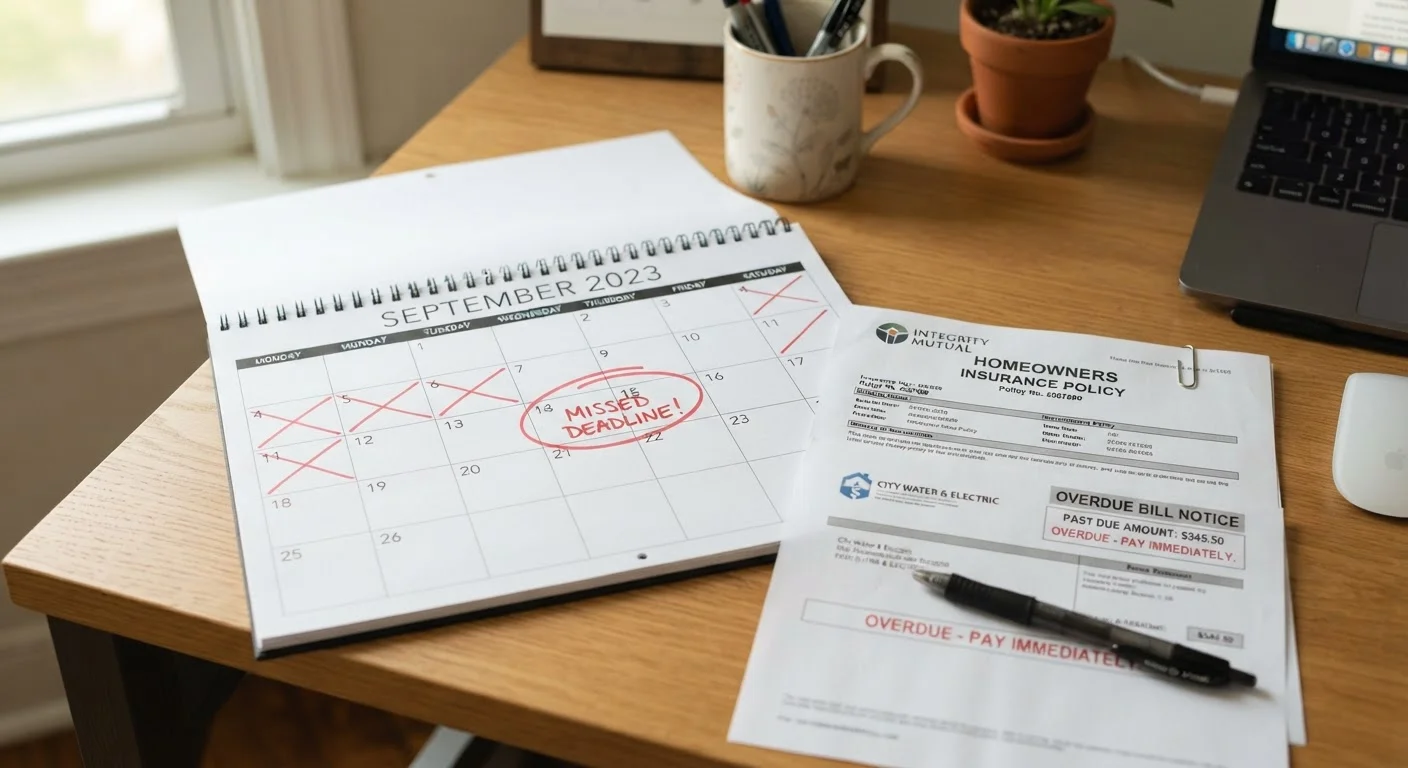
Photo credit: ArticlesHaven.net
In this article
Missing a payment doesn't always mean instant cancellation. Learn how grace periods, lapses, and reinstatement work across common policy types.
Key Takeaways
- Most insurance policies include a grace period of 10-31 days after a missed payment before coverage officially lapses.
- A lapse means your coverage is suspended - any claims filed during a lapse period are typically not covered.
- Reinstatement lets you restart a lapsed policy, but usually requires back premiums and proof of continued eligibility.
- Grace period lengths and reinstatement rules vary significantly by policy type and state law.
- A lapse on your insurance record can affect your future premium rates and eligibility.
- Autopay and payment reminders are practical safeguards against accidental lapses.
The Grace Period: Your Built-In Buffer
When a premium payment is due and you don't pay, your insurer doesn't immediately shut off coverage. Almost every policy type includes a grace period - a defined window where your policy stays in force while you catch up. This buffer exists partly because of state insurance regulations and partly because insurers would rather keep you as a customer than lose you over a delayed payment.
Grace period lengths differ by policy category:
- Life insurance: Commonly 30 or 31 days, as required by most state laws.
- Health insurance (marketplace plans): 30 days if you pay full premium; up to 90 days if you receive a federal premium tax credit, though coverage rules during that extended window are complex.
- Auto insurance: Often 10-14 days, though this varies significantly by insurer and state.
- Homeowners insurance: Typically 10-30 days, check your declarations page for the exact term.
To understand how premiums fit into the broader cost structure of a policy, see what premiums, deductibles, and limits actually mean.
Check Your Grace Period Before You Need It
Your policy's grace period length is spelled out in your contract documents - usually in a section titled 'Premium Payment' or 'Grace Period.' Find this number now and note it somewhere accessible. If you're ever in a tight spot, knowing whether you have 10 days or 30 days changes how urgently you need to act.
What a Lapse Actually Means
If the grace period passes without payment, your policy lapses. This doesn't mean it's cancelled outright in every case, but it does mean coverage is suspended. Any claim filed for an event that occurs after the lapse date - and before reinstatement - will almost certainly be denied.
The consequences extend beyond the immediate gap in coverage. A lapse creates a coverage gap on your insurance history, which insurers may factor into future pricing or eligibility decisions. For auto insurance especially, even a short lapse can result in higher premiums when you reapply, because insurers treat continuous coverage as a signal of lower risk.
Lapses can also interact with other parts of your financial life. A lapse in homeowners coverage, for example, may put you in technical violation of your mortgage agreement, since lenders typically require continuous coverage as a loan condition.
Claims During the Grace Period: A Key Nuance
Most policies remain technically active during the grace period, which means a covered event that occurs during those days should still be claimable. However, your insurer may deduct the overdue premium amount from any claim settlement. Confirm this with your specific insurer - it can vary by policy and by state regulation.
Lapse vs. Cancellation: Not the Same Thing
A lapse results from nonpayment and is effectively triggered by the policyholder's inaction. A formal cancellation is a deliberate termination - by either the insurer or the policyholder - with specific notice requirements attached. The two terms have different implications for your insurance history and your rights going forward.
For a broader look at how gaps in any policy can leave you exposed at the worst moment, see common insurance coverage gaps.
Reinstatement: Getting Your Policy Back
Reinstatement is the process of reactivating a lapsed policy rather than applying for a brand-new one. This distinction matters: reinstating an existing policy often preserves terms and pricing you'd lose if you started fresh, particularly with life insurance where your age and health at the time of original underwriting were factored in.
To reinstate, insurers typically require:
- Payment of all back premiums owed since the lapse date, sometimes with interest.
- Proof of insurability - for life and health policies, this may include a health questionnaire or medical exam.
- A completed reinstatement application within the insurer's allowed window.
Life insurance policies generally allow reinstatement for two to five years after lapse. Auto and home policies may have much shorter windows - sometimes as little as 30 days - before the insurer requires you to start over with a new application and current underwriting.
30-31 days
Typical life insurance grace period
Most U.S. states mandate a minimum 30-day grace period for life insurance policies, giving policyholders a defined buffer before coverage lapses.
Up to 90 days
Health insurance grace period with federal subsidy
Under the Affordable Care Act, marketplace enrollees who receive advance premium tax credits may have a grace period of up to 90 days, though coverage rules differ during the second and third months of that window.
2-5 years
Common life insurance reinstatement window
Many life insurance contracts allow policyholders to reinstate a lapsed policy within a set number of years, subject to back-premium payment and proof of insurability.
The terms that govern whether a life or health insurer can change your premium or decline reinstatement depend heavily on how your policy is structured. Guaranteed renewable vs. non-cancelable policy terms can significantly affect your reinstatement options.
Practical Steps to Avoid a Lapse
The simplest protection against a lapse is also the most obvious: set up automatic payments. Most insurers offer this at no charge, and it eliminates human error from the equation. If autopay isn't practical, calendar reminders set a few days before each due date serve the same function.
If you're facing financial hardship and can't pay a premium, contact your insurer before the grace period expires - not after. Many insurers have hardship arrangements, payment plan options, or can help you adjust your billing cycle. Insurers generally prefer that conversation over a lapse.
It also helps to know exactly what your grace period is before you need it. This information appears in your policy documents - typically in the section covering premium payment terms. Reviewing this once, proactively, means you won't be guessing during a stressful moment. For context on related policy rights, see what insurers can and can't do when cancelling a policy.
This article is for general informational purposes only and does not constitute personalized insurance, financial, or legal advice. Coverage terms, grace periods, and reinstatement rules vary by policy type, insurer, and state. Always review your actual policy documents and consult a licensed insurance agent or adviser for guidance specific to your situation.
Frequently Asked Questions

Author
Articles Haven Editorial Contributor
Articles Haven Editorial Team is the collective byline for our editorial team and contributor network. Articles published under this byline or an editorial pen name are researched, written, and reviewed according to our editorial standards for clarity, consistency, and independence before publication.
View all articles →