
Why Cheap Premiums Sometimes Lead to Expensive Surprises
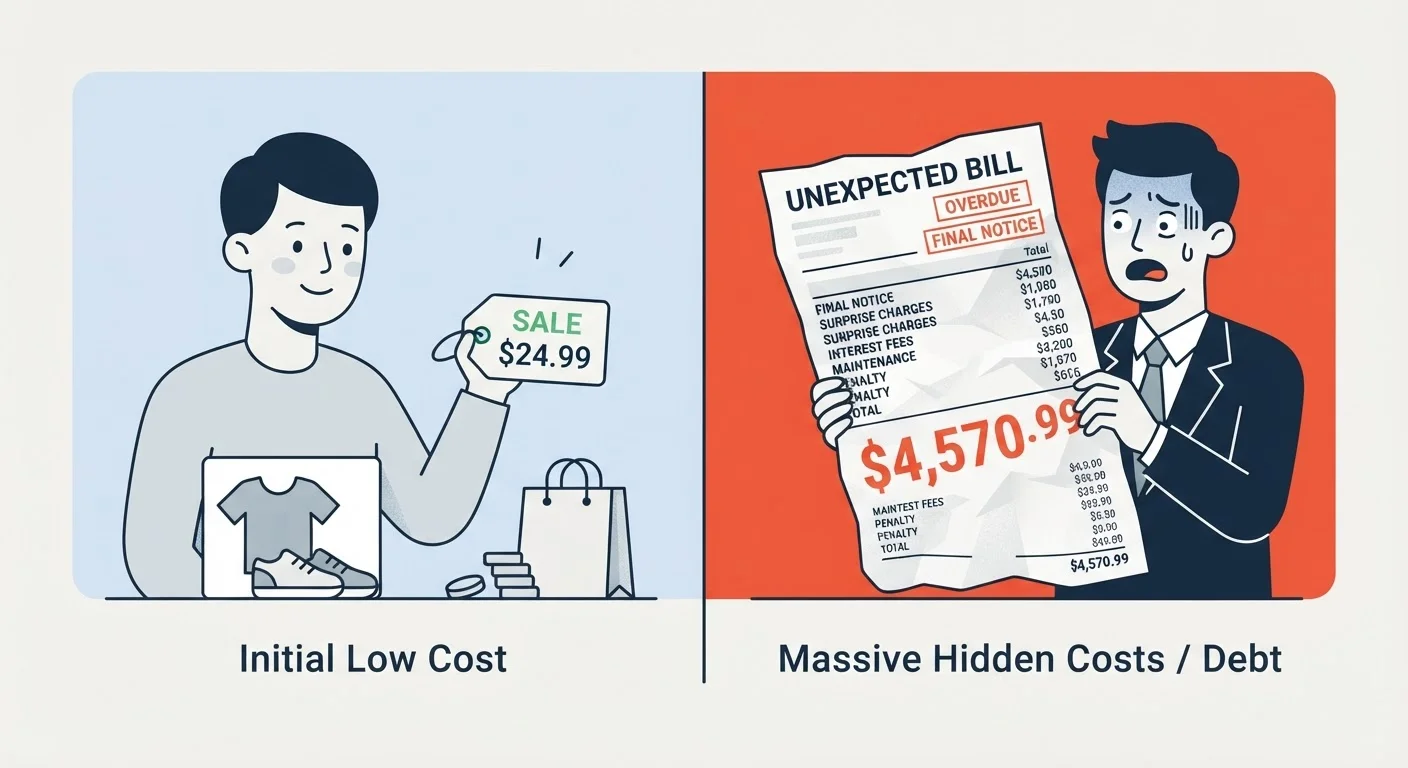
Photo credit: ArticlesHaven.net
Low monthly cost can mask high deductibles, coverage gaps, or restrictive claims terms. Here's what to check before prioritising price.
Key Takeaways
- A low monthly premium often comes paired with a high deductible or narrow coverage.
- Coverage gaps, exclusions, and network restrictions are where cheap policies typically cut corners.
- Your out-of-pocket maximum matters as much as your premium when estimating real costs.
- Reading the Summary of Benefits before enrolling can prevent costly surprises at claim time.
- Comparing total annual cost - not just premiums - gives a more accurate picture of policy value.
The Premium Is Just the Entry Price
When comparing insurance options, the monthly premium is often the first number people look at - and sometimes the only one. That's understandable. It's the most visible cost, easy to compare across policies, and it hits your bank account on a predictable schedule. But the premium is really just the price of holding the policy. It says nothing about what the policy will actually pay when you need it.
Policies with lower premiums typically offset that affordability somewhere else - through higher deductibles, tighter networks, lower coverage limits, or longer lists of exclusions. Understanding the deductible-versus-premium trade-off is a foundational step in evaluating whether a cheaper policy is actually cheaper for you.
This article walks through the most common mistakes people make when prioritising premium price, why those mistakes happen, and what to check instead before signing up.
Focusing only on the monthly premium without checking the deductible.
Why it happens: Premiums are displayed prominently in comparison tools, while deductibles require clicking into plan details. Budget-conscious shoppers naturally anchor to the most visible number.
Ignoring coverage exclusions and policy limits buried in the fine print.
Why it happens: Policy documents are long and filled with legal language. Most people rely on summary marketing materials that highlight what is covered rather than what is not.
Assuming any doctor or hospital will be covered under the plan.
Why it happens: Provider network restrictions are rarely emphasized during the sales or enrollment process, and many people only discover a provider is out-of-network when a bill arrives.
Overlooking the out-of-pocket maximum when estimating worst-case costs.
Why it happens: The out-of-pocket maximum is an unfamiliar concept to many consumers, and it's often listed far below the premium in comparison interfaces.
Not accounting for how copays and coinsurance add up during the year.
Why it happens: Copays seem small in isolation - $25 here, $40 there - so people underestimate how they accumulate across multiple visits, prescriptions, or lab tests.
The Numbers That Matter Beyond the Monthly Cost
Even if you avoid all the mistakes above, it helps to think in terms of total potential cost rather than monthly cost alone. Add up your annual premium, your deductible, and your out-of-pocket maximum to get a rough ceiling for what a bad year could cost you. Then compare that figure across the policies you're evaluating.
43%
Adults who struggled to afford a medical bill
According to a KFF Health Care Debt Survey, roughly 4 in 10 US adults reported difficulty affording a healthcare bill at some point, often due to underinsurance.
$1,763
Average individual deductible in employer health plans
KFF's annual Employer Health Benefits Survey has consistently found average individual deductibles in the thousands, meaning a low premium plan may still require significant upfront spending before coverage kicks in.
1 in 5
Insured adults who received a surprise medical bill
KFF polling has found that approximately one in five insured adults report receiving an unexpected medical bill, with out-of-network charges being a leading cause.
A policy with a $90/month premium but a $7,000 deductible and a $12,000 out-of-pocket maximum could cost far more in a serious-claim year than a $150/month policy with a $2,500 deductible. The same premium can hide very different value, and the same principle works in reverse - a higher premium can actually represent better value once total exposure is factored in.
Before you finalize any policy, the right questions at the quote stage can surface the details that the headline price conceals. Coverage is general and varies by provider and plan - always read your actual policy documents and consult a licensed insurance professional before making a final decision.
Enrollment Windows Are Limited
For most health insurance plans, you can only switch during open enrollment or after a qualifying life event. Choosing a cheap plan that turns out to be inadequate may mean you're locked in for the remainder of the plan year. Take time to compare total costs and coverage before the window closes - not after.

Author
Articles Haven Editorial Contributor
Articles Haven Editorial Team is the collective byline for our editorial team and contributor network. Articles published under this byline or an editorial pen name are researched, written, and reviewed according to our editorial standards for clarity, consistency, and independence before publication.
View all articles →