
Common Causes of Moisture Damage in Homes (And How Each One Enters)
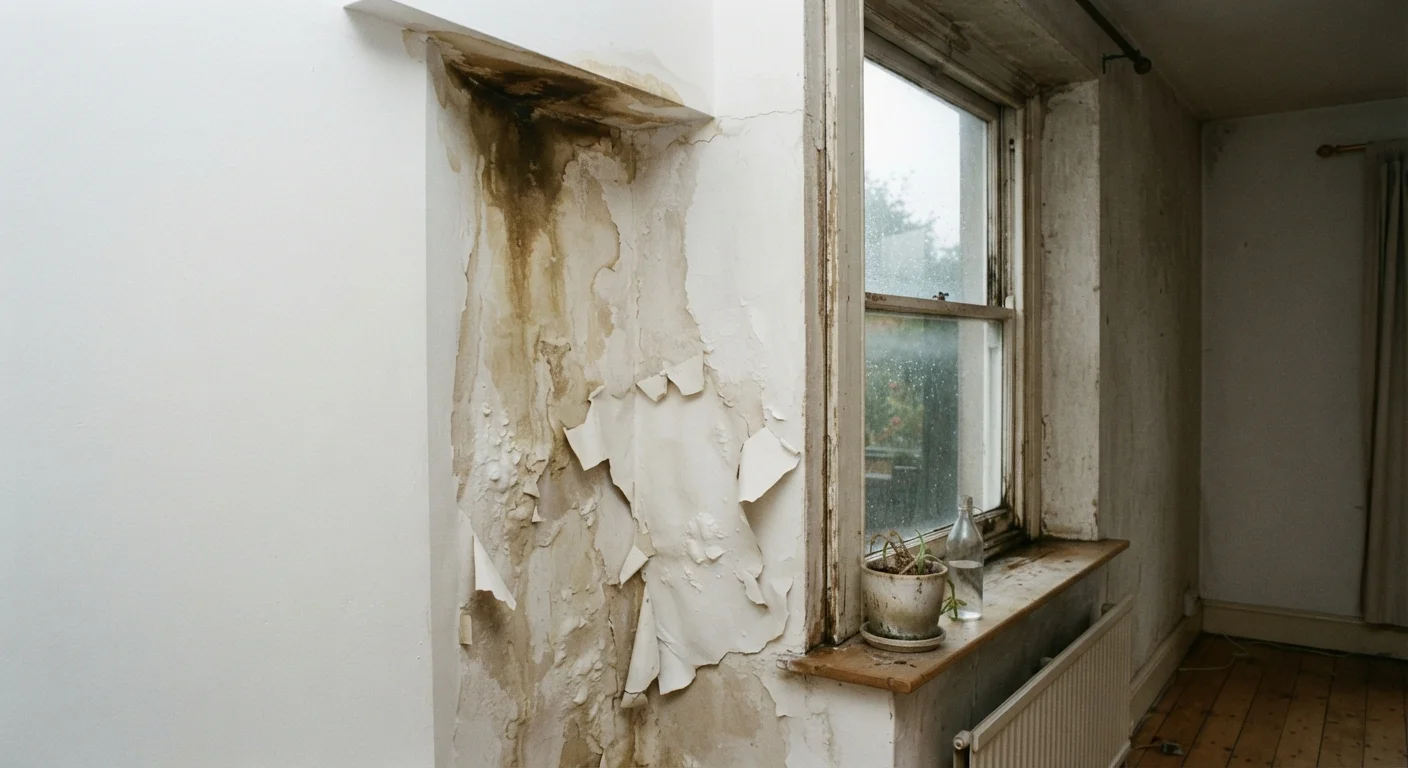
Photo credit: ArticlesHaven.net
In this article
Condensation, roof leaks, and foundation seepage all cause moisture damage but need different remedies. Learn how to trace each source.
Key Takeaways
- Moisture damage has multiple distinct entry points, and misdiagnosing the source leads to wasted repairs.
- Condensation, roof leaks, plumbing failures, and foundation seepage each behave differently and require different solutions.
- Some moisture sources are DIY-manageable; others - particularly structural or foundation-related - typically warrant professional evaluation.
- Tracing the source before starting repairs prevents repeat damage and unnecessary costs.
Why the source of moisture matters as much as the damage itself
Water stains, swollen drywall, musty odors, and peeling paint all signal moisture problems - but the appropriate response depends entirely on where the water is coming from. Treating the symptom without identifying the source is a reliable way to repeat the same repair twice. The six causes below account for the vast majority of residential moisture complaints, and each has a distinct entry mechanism, pattern of spread, and appropriate remedy.
Why source identification matters before repair
Addressing moisture damage without confirming the source is one of the most common and costly home repair mistakes. Replacing water-stained drywall, for example, only to have it get wet again weeks later is both wasteful and potentially damaging to your budget. Before committing to any repair, spend time ruling in or out each possible source - sometimes that means monitoring through a rain event, checking the attic, or consulting a licensed professional for a diagnostic assessment.
Six common ways moisture enters a home
Condensation from temperature and humidity differences
Condensation forms when warm, humid air contacts a cooler surface - windows, exterior walls, pipes, or concrete floors. It's one of the most common moisture complaints, yet it's often misread as a leak. The telltale sign is that moisture appears consistently in the same spots after cooking, showering, or during cold weather, without any obvious external water event.
In poorly ventilated bathrooms or kitchens, chronic condensation can soak into drywall and wood framing over time. In colder climates, interstitial condensation - moisture forming inside wall cavities - is a subtler and more damaging variant that rarely shows itself until mold appears. Improving ventilation, adding exhaust fans, and using a dehumidifier are starting points. Insulation upgrades that eliminate cold surfaces can reduce the problem at its source.
Condensation is frequently mistaken for a leak - the fix is often ventilation, not waterproofing.
Roof leaks and flashing failures
Water entering through a compromised roof travels - sometimes a long way - before it shows up as a stain on a ceiling. A leak at a ridge vent or around a chimney flashing may not appear on the ceiling directly below; it may run down a rafter and surface several feet away. This makes roof leaks frustrating to trace without a physical inspection of the attic and roof deck.
Common entry points include cracked or missing shingles, deteriorated flashing around chimneys, skylights, and vent pipes, and clogged gutters that force water under the drip edge. Water-damaged ceiling drywall is a frequent downstream result - matching the right repair to the damage matters here, especially if the drywall has been wet long enough to lose structural integrity. Roof work above single-story height should generally be handled by a licensed roofer.
Roof leaks rarely surface directly below the entry point - attic inspection is usually necessary to trace them accurately.
Plumbing leaks inside walls and ceilings
Slow plumbing leaks are insidious because they can go undetected for months. A pinhole leak in a supply line, a failing wax ring under a toilet, or a loose drain connection can saturate wood framing and subfloor material long before any visible stain appears. By the time damage is obvious, mold growth and structural softening may already be underway.
Signs include unexplained spikes in water bills, musty odors in closed spaces, soft spots in flooring near fixtures, or discoloration on ceilings below bathrooms. Locating the exact source often requires removing a section of drywall or flooring. If a home inspection has flagged plumbing concerns, understanding how those findings affect renovation priorities can help homeowners sequence repairs sensibly before finishing any affected spaces.
Slow plumbing leaks can silently damage framing and subfloor for months before becoming visible.
Foundation seepage and hydrostatic pressure
Water entering through a basement foundation is driven by hydrostatic pressure - the weight of saturated soil pressing against the wall or floor slab. This produces a distinct pattern: water appears at the base of walls, along the joint where the wall meets the floor, or as efflorescence (a white chalky residue indicating mineral deposits left by evaporating water). Unlike a plumbing leak, the source is entirely outside the structure.
The extent of the fix depends on where the water is entering and how much. Interior drainage systems and sump pumps manage water after it enters the foundation envelope; exterior waterproofing membranes and grading corrections try to prevent entry in the first place. Interior and exterior waterproofing approaches differ significantly in scope, cost, and disruption. Anyone planning to finish a basement should also review what moisture issues to investigate before work begins.
Hydrostatic pressure pushes water through foundation walls even when there is no visible crack.
Window and door envelope failures
Windows and exterior doors rely on a layered system - caulk, flashing, weatherstripping, and the rough opening's water-resistant barrier - to keep bulk water out. When any element in that system degrades, water can travel behind the interior trim and into wall framing without any obvious surface damage. This type of leak is particularly common after several years of thermal expansion and contraction cycles that eventually crack sealants.
Symptoms include peeling paint or soft wood around the interior window casing, water marks on the sill, or damp drywall below the window. Inspection should include the exterior sill, head flashing, and the caulk joints at every frame edge. Recaulking and replacing weatherstripping are tasks many homeowners can complete; reflashing an entire window opening typically requires more skill and an understanding of the wall assembly.
Window leaks often travel behind trim before surfacing - inspect the exterior system, not just the interior signs.
Poor grading and surface drainage around the foundation
Lot grading - the slope of the ground immediately surrounding a home - is the first line of defense against water intrusion. The general principle is that ground should slope away from the foundation on all sides. When soil settles over time, or when landscaping beds retain water against the structure, rainfall can pool against the foundation and slowly migrate inward.
This source is easy to overlook because there's no obvious leak event; water simply moves through saturated soil. Signs include damp basement corners following rain events, efflorescence on lower foundation walls, and consistently wet mulch beds pushed against the house. Re-sloping the grade away from the foundation is often a manageable DIY project with soil and a tamper, but it must be paired with functioning gutters and downspout extensions that discharge water well clear of the structure.
Improper grading around a foundation allows rainfall to accumulate where it can slowly migrate inward.
Track moisture events to find patterns
Keep a simple log of when and where you notice moisture: after rain, during cold snaps, after showers, or seemingly at random. Patterns narrow down the likely source significantly. A leak that only appears after heavy rain points toward the roof, envelope, or drainage - not plumbing. Moisture that appears regardless of weather is more likely condensation or a slow pipe leak.
Deciding between DIY and professional help
Not all moisture problems are equal in complexity. Recaulking windows, improving bathroom ventilation, and correcting yard grading are generally within reach for a motivated homeowner with basic tools. Tracing a roof leak across a large attic, diagnosing interstitial condensation in wall cavities, or addressing structural foundation seepage involves more risk of error - and a mistake here can mean significantly more damage later.
A useful general rule: if the source is ambiguous, or if the damage has been ongoing long enough to affect structural elements like framing, joists, or the slab, a professional evaluation is worth the cost before any repair work starts. A licensed home inspector or a contractor specializing in waterproofing or building envelopes can provide a diagnostic assessment that gives you a defensible repair plan.
This article is for general informational purposes only and does not constitute professional construction, engineering, or legal advice. Always verify local building codes and permit requirements, and consult a licensed contractor for work that may affect your home's structural integrity or safety systems.

Author
Articles Haven Editorial Contributor
Articles Haven Editorial Team is the collective byline for our editorial team and contributor network. Articles published under this byline or an editorial pen name are researched, written, and reviewed according to our editorial standards for clarity, consistency, and independence before publication.
View all articles →