
Pitfalls in Self-Care Culture That Can Quietly Work Against Mental Health
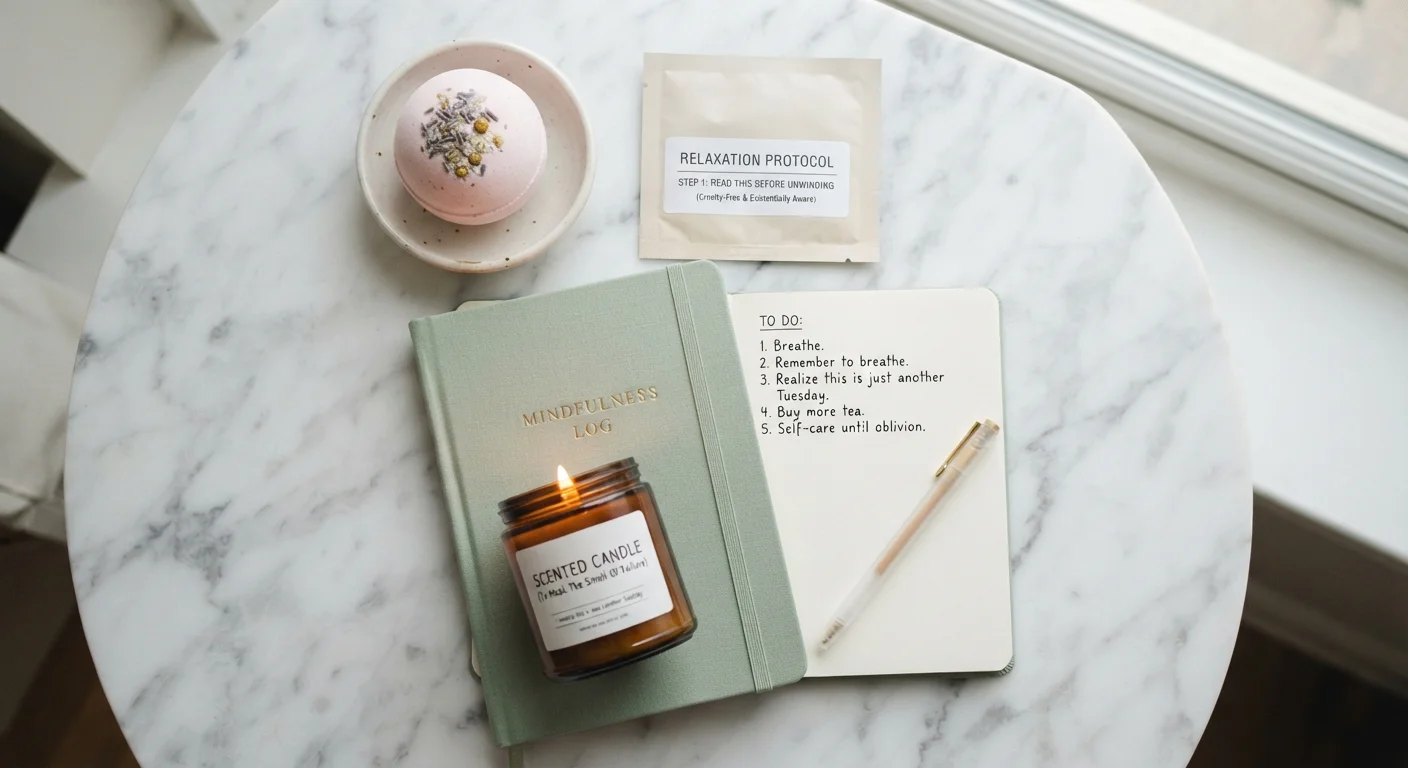
Photo credit: ArticlesHaven.net
In this article
"Just practice self-care" is well-meaning but can obscure deeper needs. Here are common ways wellness culture misses the mark—and what to look for instead.
Key Takeaways
- Self-care activities can mask unresolved emotional or mental health issues rather than address them.
- Wellness culture can commercialize mental health in ways that prioritize spending over genuine support.
- Treating self-care as an obligation can increase stress and guilt rather than reduce them.
- Professional support remains necessary for many mental health challenges no routine can replace.
- Small, consistent habits generally do more for mental wellness than occasional intensive rituals.
When 'Taking Care of Yourself' Becomes Its Own Pressure
Self-care as a concept has genuine value - rest, nourishment, and emotional attention all matter for mental health. But the version sold through social media and wellness marketing can quietly work in the opposite direction. When self-care becomes a performance metric, a purchase, or a substitute for addressing real distress, it stops being care and starts being another task to fail at.
This article is general information about mental wellness patterns, not a substitute for professional guidance. If you're navigating significant anxiety, depression, or other mental health concerns, a qualified healthcare provider is the right starting point - not a bubble bath.
That said, understanding where wellness culture commonly goes wrong can help you build habits that actually serve you. See our Healthy Habits hub for a broader look at sustainable practices.
Using self-care activities to avoid rather than process difficult emotions.
Why it happens: Relaxation rituals feel productive and virtuous, making them easy to reach for when uncomfortable feelings arise. The relief is real in the short term, which reinforces the habit.
Treating self-care as a checklist obligation rather than a genuine choice.
Why it happens: Wellness content often presents practices - meditation, morning routines, gratitude logs - as near-mandatory for functioning adults. This framing turns optional habits into another source of failure if skipped.
Conflating purchasing wellness products with actually addressing mental health needs.
Why it happens: Wellness is a large commercial market, and marketing is effective at linking products to emotional relief. Buying something feels like taking action and provides a brief mood lift.
Using self-care language to justify avoiding professional mental health support.
Why it happens: Professional help can feel intimidating, expensive, or stigmatized. Self-care offers an accessible, low-barrier alternative that feels empowering rather than clinical.
Applying self-care prescriptions uniformly without accounting for individual circumstances.
Why it happens: Wellness culture tends to offer universal solutions - "everyone should meditate" or "digital detoxes fix burnout" - which ignores how differently people experience stress, connection, and recovery.
Overlooking structural or environmental factors by focusing only on individual habits.
Why it happens: Self-care framing places responsibility entirely on the individual, which can feel empowering but can also generate guilt when personal habits don't overcome workplace stress, financial strain, or relationship difficulties.
The Structural Problems Beneath the Surface
Many of the pitfalls above share a common thread: they treat mental wellness as an individual performance problem rather than something shaped by circumstances, relationships, and sometimes biology. That framing matters because it can generate shame when the candles and journaling don't work.
Perfectionism in Wellness Can Backfire
Striving to maintain a 'perfect' self-care routine can itself become a source of anxiety. When missing a meditation session or skipping a healthy meal triggers guilt or shame, the routine is adding stress rather than reducing it. Perfectionism has a specific psychological profile linked to anxiety - wellness culture can accidentally activate it.
Research in psychology broadly suggests that social connection, a sense of meaning, adequate sleep, and access to support are among the more consistent contributors to mental wellbeing - none of which require purchasing anything. The guide to building a daily mental wellness routine explores how small, consistent habits often outperform occasional elaborate rituals.
It's also worth recognizing that some wellness activities, like journaling, have genuine documented benefits alongside real limits. What journaling offers and where it falls short gives a grounded look at that balance. Similarly, understanding when self-help is enough and when therapy matters can help you calibrate expectations honestly.
$4.5T
Global wellness market size estimate
The Global Wellness Institute has estimated the global wellness market at several trillion dollars, reflecting how extensively health and self-care have been commercialized.
1 in 5
U.S. adults experiencing mental illness annually
The National Institute of Mental Health estimates roughly one in five U.S. adults lives with a mental illness in a given year, underscoring that self-care alone is insufficient for many people.
The goal isn't to dismiss self-care - it's to practice it in a way that serves your actual needs rather than an idealized image of what wellness looks like.
This article is for general informational purposes only and does not constitute medical or mental health advice. Please consult a qualified mental health professional for guidance specific to your situation.

Author
Articles Haven Editorial Contributor
Articles Haven Editorial Team is the collective byline for our editorial team and contributor network. Articles published under this byline or an editorial pen name are researched, written, and reviewed according to our editorial standards for clarity, consistency, and independence before publication.
View all articles →