
Breathing Exercises That Can Help Calm an Anxious Nervous System
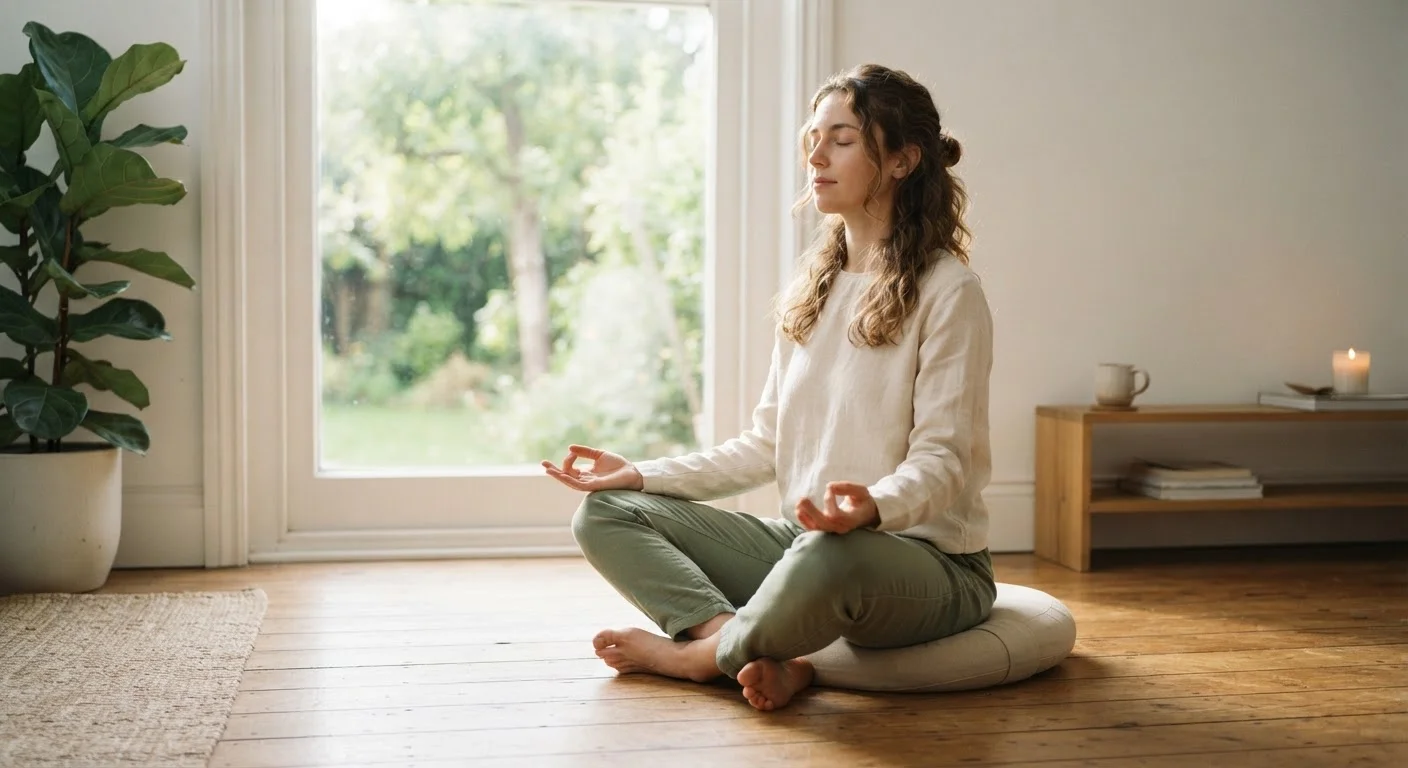
Photo credit: ArticlesHaven.net
In this article
Certain breathing patterns can activate the body's calming response. Learn several well-documented techniques and how to practice them correctly.
Key Takeaways
- Slow, extended exhales activate the parasympathetic nervous system, which promotes a calming effect.
- Several well-documented techniques - including box breathing and 4-7-8 breathing - are easy to learn.
- Consistent daily practice tends to produce more noticeable results than occasional use during crisis moments.
- Breathing exercises are a general wellness tool, not a replacement for professional mental health care.
- Most techniques can be done seated anywhere with no equipment and in under ten minutes.
Why Breathing Affects the Nervous System
The autonomic nervous system has two main branches: the sympathetic system, which drives the stress response, and the parasympathetic system, which promotes rest and recovery. Unlike most autonomic functions - heartbeat, digestion - breathing is one you can consciously control, and that controllability gives it unique leverage.
When you breathe slowly and deliberately, particularly with an extended exhale, signals travel via the vagus nerve to the brainstem, dampening the stress response and activating the parasympathetic branch. This is why you may feel physically calmer within just a few breath cycles - it is not placebo, it is physiology, though the degree of effect varies by person and circumstance.
Breathwork as a general practice encompasses many traditions and techniques, but the core mechanism is consistent: slowing the breath rate and extending the exhale shifts the body toward a calmer state.
What you will need
How to Practice the Core Techniques
The following steps walk through four accessible techniques in order of simplicity. Starting with diaphragmatic breathing builds the foundational skill that makes the others easier to perform correctly. You do not need to master every technique - find one or two that feel natural and build consistency with those.
Timer or Clock
Used to track breath counts and hold durations so you can focus on the technique rather than watching the time.
Comfortable Chair or Yoga Mat
Supports an upright or reclined posture that keeps the airway open and the body relaxed during practice.
Find a Comfortable Posture
Sit upright in a chair with your feet flat on the floor, or sit cross-legged on the ground. You can also lie on your back with your knees slightly bent. The goal is a position that keeps your spine reasonably elongated and your chest and abdomen unrestricted.
Place one hand on your chest and one on your lower belly. During diaphragmatic breathing, the belly should rise on the inhale more than the chest. This feedback helps you gauge whether you are breathing from the diaphragm rather than shallow chest breathing.
Try Diaphragmatic (Belly) Breathing First
Inhale slowly through your nose for about four seconds, allowing your belly to expand outward. Exhale through your mouth or nose for five to six seconds, letting the belly fall. Repeat for six to ten cycles.
This is the foundational skill underlying most other techniques. Research in respiratory physiology suggests that slower breathing rates - roughly six breaths per minute - are associated with reduced heart rate and blood pressure, though individual responses vary.
Practice Box Breathing (4-4-4-4)
Box breathing uses four equal phases: inhale for four counts, hold for four counts, exhale for four counts, hold for four counts. One full cycle takes about sixteen seconds at a moderate pace.
- Inhale through your nose for four counts.
- Hold the breath gently - not forcefully - for four counts.
- Exhale slowly through your mouth for four counts.
- Hold empty for four counts before the next inhale.
Aim for four to six complete cycles. This pattern is sometimes taught in stress-management contexts and is well-suited to moments of acute tension because it gives the mind a simple counting task to focus on.
Try the 4-7-8 Technique
Developed in the context of relaxation practices and sometimes attributed to integrative medicine discussions, the 4-7-8 pattern emphasizes a long exhale:
- Inhale quietly through your nose for four counts.
- Hold for seven counts.
- Exhale completely through your mouth - often with a gentle whoosh sound - for eight counts.
Complete three to four cycles to start. Because the exhale is twice the length of the inhale, this technique tends to produce a noticeable relaxation response relatively quickly for many people.
Use Resonance Breathing for Longer Sessions
Resonance breathing - sometimes called coherent breathing - involves inhaling for five seconds and exhaling for five seconds, creating a steady six-breaths-per-minute pace. Unlike box breathing, there are no holds, making it easier to sustain for ten to twenty minutes.
Some researchers studying heart rate variability (HRV) have associated this breathing rate with positive autonomic nervous system responses, though outcomes vary by individual. It works well as a daily practice rather than an acute intervention.
Integrate Practice Into Your Routine
Consistency matters more than duration. A five-minute practice done daily tends to be more useful than longer, occasional sessions. Morning practice can set a calm baseline for the day; evening practice may support winding down before sleep.
To explore broader context on how breathwork fits into a wellness routine, see our breathwork basics overview. You may also find it useful to combine breathing exercises with grounding techniques during moments of acute overwhelm.
Build a Habit Around a Trigger
Pairing a breathing practice with something you already do daily - such as morning coffee or brushing your teeth - makes it easier to stay consistent. Even three to five minutes once a day can help establish the habit before trying to use the technique under stress.
Stop If You Feel Lightheaded or Unwell
Some people feel dizzy or short of breath when first experimenting with controlled breathing patterns. If this happens, return to normal breathing immediately and rest. Certain breathing exercises are not appropriate for individuals with respiratory conditions - speak with your doctor before starting if you have any concerns.
Fitting Breathing Exercises Into a Broader Wellness Approach
Breathing exercises work well as a standalone tool but tend to be more effective when paired with other wellness habits. Regular physical activity is independently associated with reduced stress and improved mood, and combining movement with deliberate breathwork can reinforce both practices.
For people whose anxiety has a cognitive pattern - such as perfectionism-driven stress - breathing techniques can serve as a useful first step to interrupt a thought spiral, though they do not address the underlying pattern on their own. If anxiety is significantly affecting daily functioning, working with a mental health professional is the appropriate path. These exercises are supportive tools, not treatment.
If you experience anxiety in specific contexts - such as travel situations - having a practiced breathing technique ready can be a practical part of your preparation strategy.
This Is General Information, Not Medical Advice
Breathing exercises are general wellness practices intended for informational purposes only. If you experience severe or persistent anxiety, panic attacks, or other mental health concerns, please consult a qualified healthcare professional. Do not use these techniques as a substitute for diagnosis or treatment.
This article is for general informational purposes only and is not a substitute for professional medical or mental health advice. If you have concerns about anxiety or any health condition, please consult a qualified healthcare provider.

Author
Articles Haven Editorial Contributor
Articles Haven Editorial Team is the collective byline for our editorial team and contributor network. Articles published under this byline or an editorial pen name are researched, written, and reviewed according to our editorial standards for clarity, consistency, and independence before publication.
View all articles →