
What to Do Immediately After a Car Accident
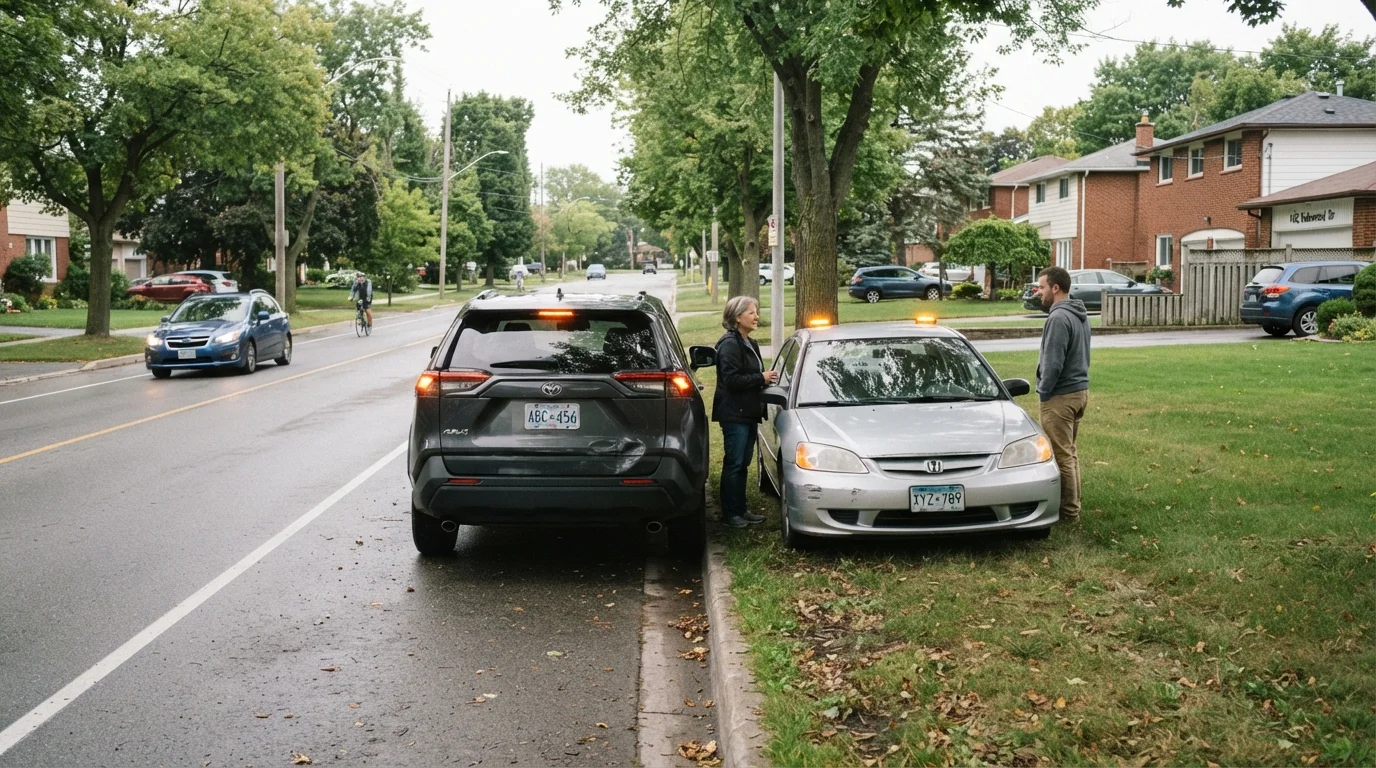
Photo credit: ArticlesHaven.net
In this article
A step-by-step guide to the moments after a collision—safety, information exchange, documentation, and notifying your insurer.
Key Takeaways
- Move to safety first and call 911 if anyone is injured before doing anything else.
- Always get a police report, even for minor collisions - insurers often require documentation.
- Collect names, contact info, license plates, and insurance details from all involved drivers.
- Photograph the scene, damage, and road conditions thoroughly before vehicles are moved.
- Notify your insurer promptly - delays can complicate or jeopardize your claim.
Why the First Few Minutes Matter
A car accident compresses a lot of consequential decisions into a very short window. How you respond in the first minutes affects your physical safety, legal standing, and your ability to file a successful insurance claim. Mistakes made at the scene - leaving too soon, failing to document damage, or saying the wrong thing - can create complications that are hard to undo later.
This guide walks through each step in order of priority, so you have a clear sequence to follow even when you're stressed. If you want to understand what coverage you're working with before an accident ever happens, the auto insurance basics guide is a useful starting point.
What you will need
Step-by-Step: What to Do at the Scene
Follow these steps in order. Safety comes first, documentation comes second, and communication with your insurer comes third.
Smartphone or Camera
Photograph vehicle damage, license plates, road conditions, and the overall scene.
Insurance Card
Provide your policy number and insurer contact details to the other driver and police.
Pen and Notepad (or Notes App)
Record driver and witness information, badge numbers, and report numbers at the scene.
Accident Info Checklist Card
A pre-printed reminder of everything to collect so nothing is missed under stress.
Roadside Safety Kit
Reflective triangles or flares help alert oncoming traffic when your vehicle is stopped on or near a road.
Move to Safety and Check for Injuries
If the vehicles are drivable and it is safe to do so, move them out of active traffic - to a shoulder, parking lot, or side street. Turn on your hazard lights immediately. Check yourself and any passengers for injuries before stepping out.
Call 911 if anyone is hurt, if vehicles are blocking traffic, or if you suspect the other driver is impaired. Do not move anyone who may have a spinal or head injury - wait for emergency responders.
Call the Police and Request a Report
Request a police officer at the scene whenever possible, even for seemingly minor fender-benders. An official police report creates an objective third-party account of what happened, which insurers frequently require when processing claims.
When officers arrive, provide factual, accurate information. Ask how to obtain a copy of the report - you'll typically need it for your insurance claim. Get the responding officer's name and badge number.
Exchange Information with the Other Driver
Collect the following from every driver involved:
- Full name and contact information
- Driver's license number and state
- License plate number and vehicle description
- Insurance company name and policy number
Provide your own information in return. If there are passengers or witnesses, collect their names and phone numbers as well - their accounts may matter later.
Document the Scene Thoroughly
Before any vehicles are moved (if it's safe to stay), photograph and video the scene from multiple angles. Capture:
- All vehicle damage, including scratches and interior damage
- License plates of every vehicle involved
- Road conditions, weather, skid marks, traffic signals, and signage
- The overall scene showing vehicle positions relative to each other
More documentation is always better than less. These images can clarify what happened if the accounts of those involved later conflict.
Notify Your Insurance Company
Contact your insurer as soon as reasonably possible - many policies include a prompt-reporting requirement. You don't need to have all the answers, but provide what you collected at the scene. Your insurer will open a claim file and walk you through next steps.
To understand how the process unfolds from here, see the auto insurance claims process explained for a step-by-step breakdown of what typically happens after first notice of loss.
Never Admit Fault at the Scene
Even a casual apology can be interpreted as an admission of liability. Stick to factual information when speaking with other drivers, witnesses, and police. Let investigators and insurers determine fault based on the evidence.
Keep an Accident Info Card in Your Glove Box
Print a simple checklist of what to collect at the scene - names, policy numbers, license plates, witness contacts - and keep it in your glove compartment. After a collision, stress makes it easy to forget steps, and a card takes the guesswork out of it.
Common Mistakes and How to Avoid Them
Even careful drivers make avoidable errors after a collision. A few of the most consequential:
- Skipping the police report: Without official documentation, it becomes your word against theirs - a problem if the other driver later changes their account.
- Delaying insurer notification: Many policies require prompt reporting. A delay can give an insurer grounds to complicate your claim, even if you were not at fault.
- Posting about the accident on social media: Photos or comments shared publicly can be used in disputes. Hold off until the claim is resolved.
- Accepting a cash settlement on the spot: Damage and injuries sometimes aren't fully apparent immediately. Agreeing to settle before a full assessment can leave you covering costs the other driver should owe.
Do Not Leave the Scene Early
Leaving the scene of an accident before exchanging information or speaking with police can constitute a hit-and-run, regardless of how minor the collision seemed. Stay until law enforcement clears you to leave or all parties have exchanged information.
For a broader look at how coverage types shape your options after a collision, see the types of auto insurance coverage. New to vehicle ownership altogether? The article on what new car owners should know covers insurance requirements before you drive off the lot.
This article provides general information about steps to take after a vehicle collision. It is not legal or insurance advice. Coverage terms, claim requirements, and regulations vary by policy and state. Consult your insurer and, where appropriate, a licensed attorney for guidance specific to your situation.

Author
Articles Haven Editorial Contributor
Articles Haven Editorial Team is the collective byline for our editorial team and contributor network. Articles published under this byline or an editorial pen name are researched, written, and reviewed according to our editorial standards for clarity, consistency, and independence before publication.
View all articles →